APRN Intelligence Briefing
Vol. 1, Issue 003

APRN Intelligence, for July 13th to 20th 2026

Africa's definitive pipeline and energy intelligence digest covering a new refinery plan, engineering insights, and market intelligence across the continent.

Sunday, 12 July 20264 Stories

This Issue

East Africa Closes in on First Oil Exports. What Happens Next?
EACOP

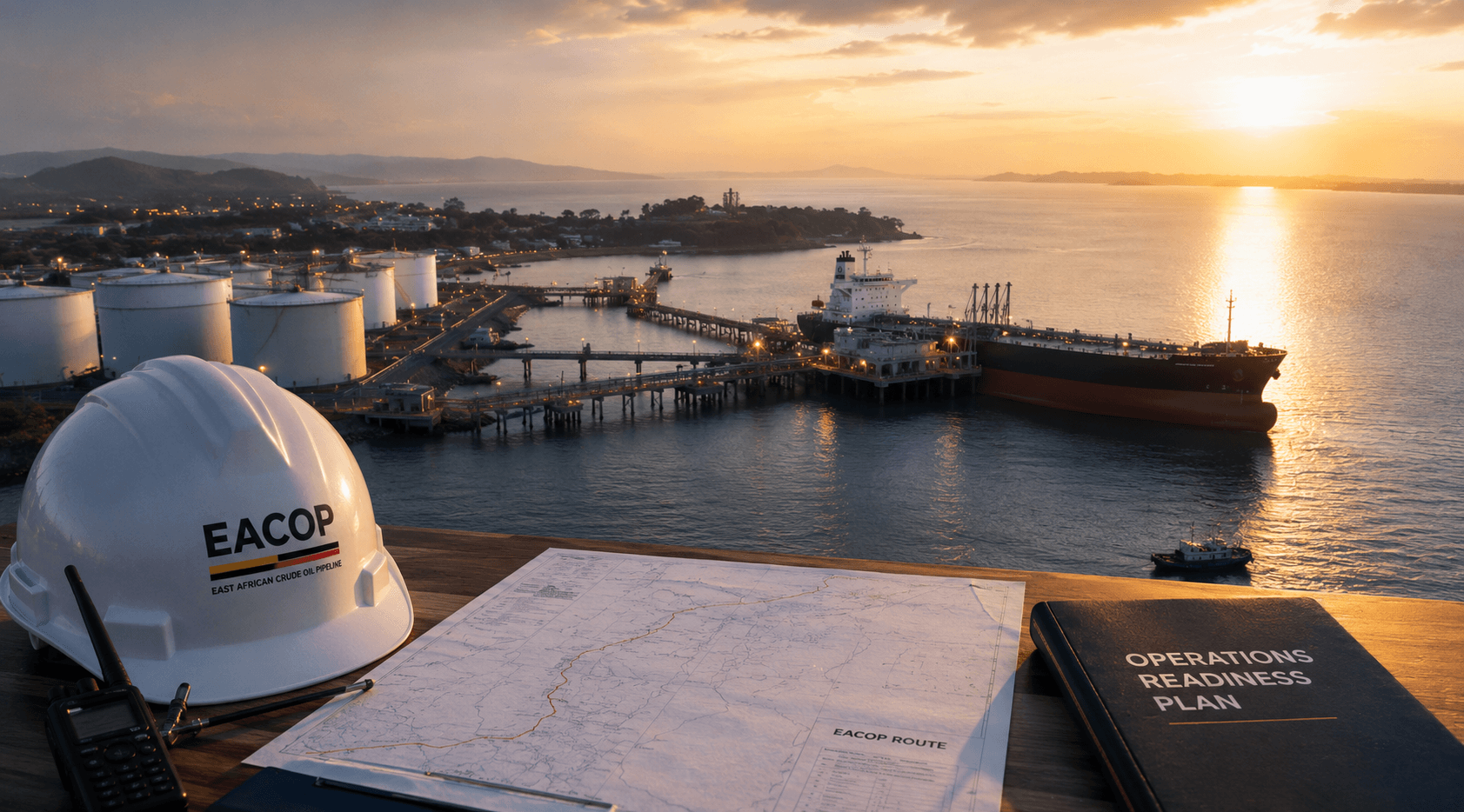
East Africa Closes in on First Oil Exports. What Happens Next?

The East African Crude Oil Pipeline (EACOP) is approaching one of its most significant milestones yet, with construction expected to be completed by the end of July and Uganda targeting its first commercial crude oil exports in October. Once operational, the project will establish Uganda as a crude oil-exporting nation and strengthen East Africa's position within the global energy market.

Source
Beyond the Refinery: Could Dangote's Lamu Project Trigger East Africa's Next Pipeline Boom?
Downstream

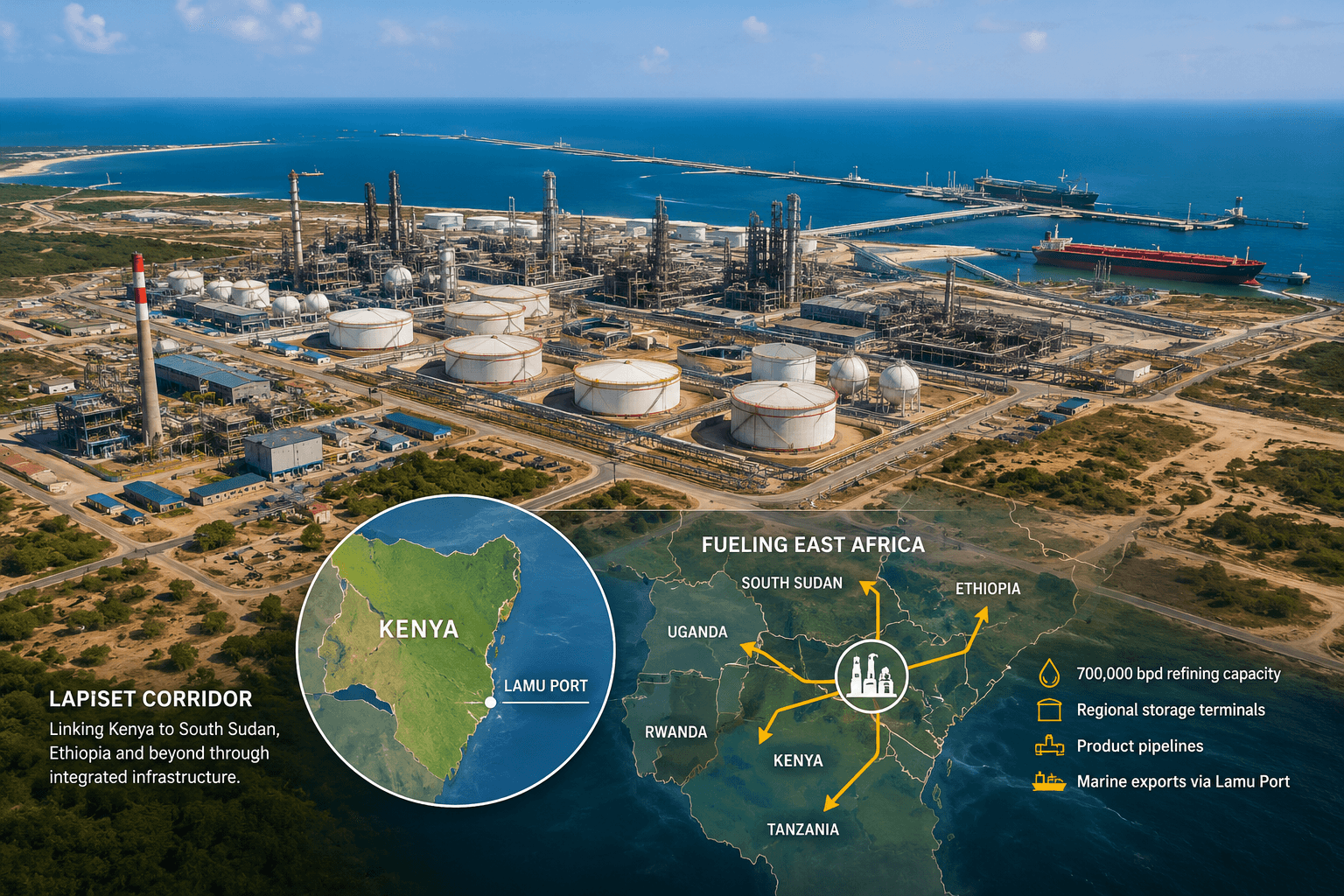
Beyond the Refinery: Could Dangote's Lamu Project Trigger East Africa's Next Pipeline Boom?

Nigeria's Dangote Group has unveiled plans to develop a 700,000-barrel-per-day oil refinery in Lamu, Kenya, a project that could become East Africa's largest refining facility and one of the continent's most significant downstream investments.

Source
Reframing Pipeline Vandalism as an Infrastructure Integrity Challenge
INFRASTRUCTURE SECURITY

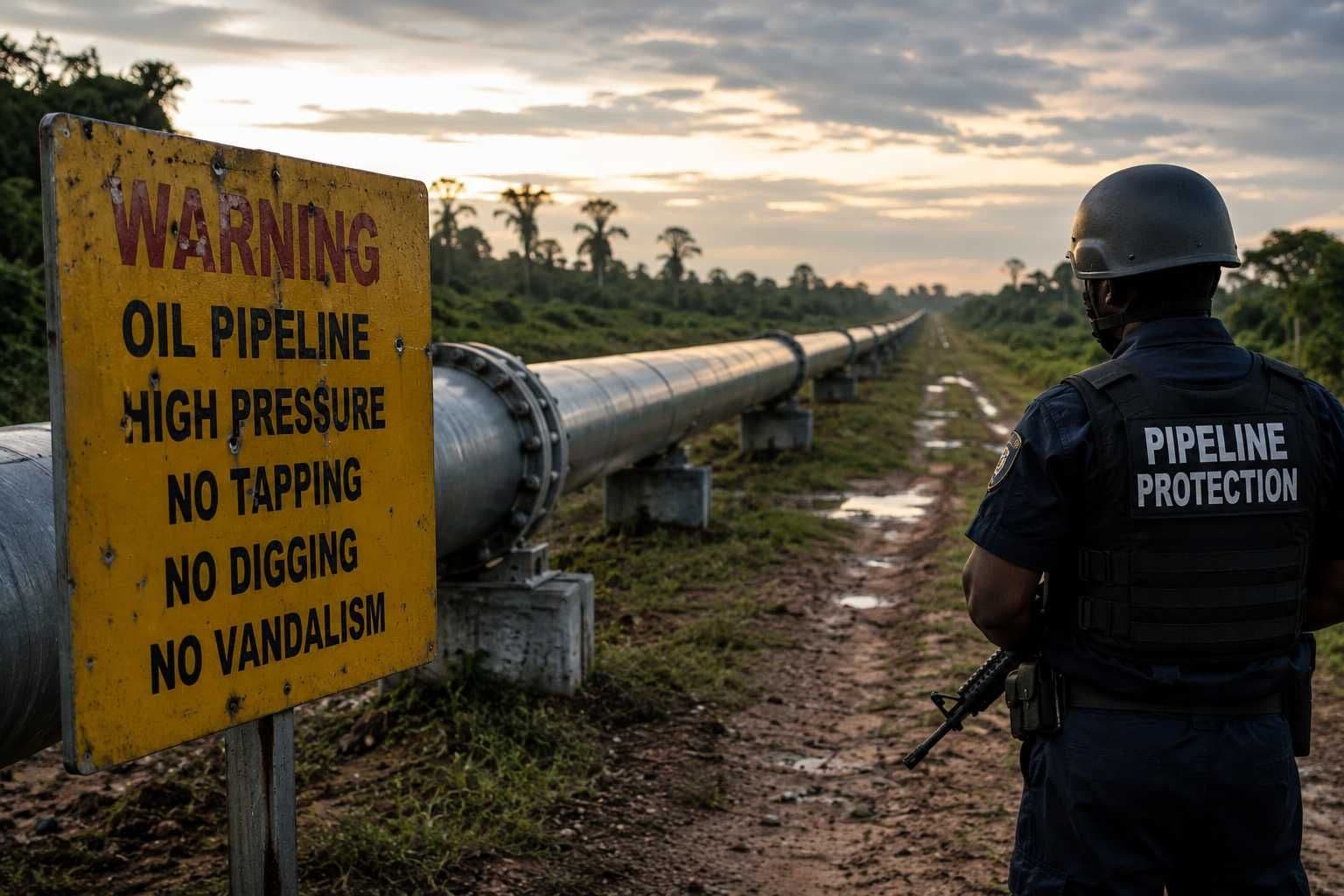
Reframing Pipeline Vandalism as an Infrastructure Integrity Challenge

Pipeline vandalism is a major issue that needs to be tackled not just by using security measures, but with engineering solutions too.

Source
The $100M Ibadan Gas Pipeline Dispute: A Test of Nigeria's Gas Market Reforms
MIDSTREAM GOVERNANCE

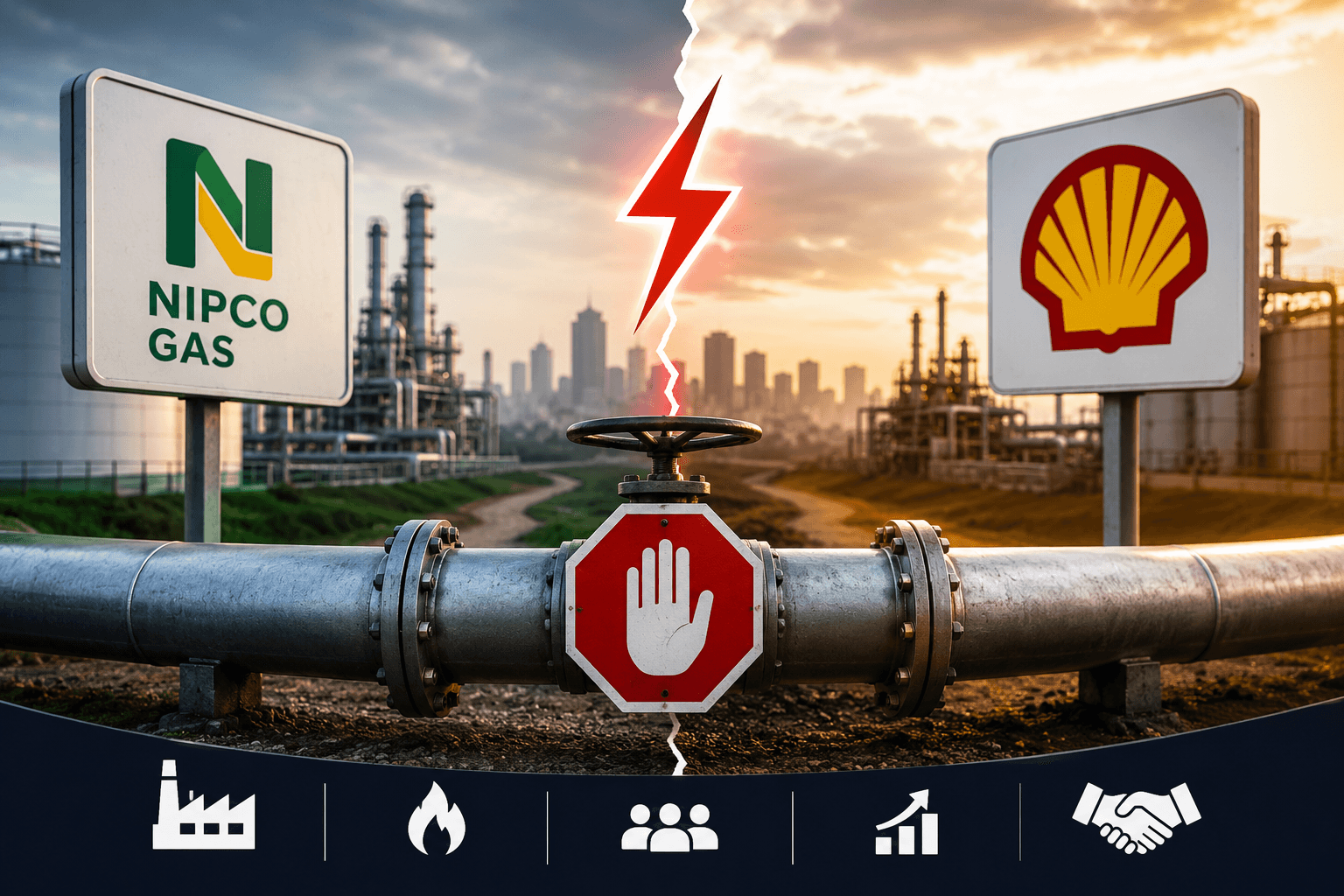
The $100M Ibadan Gas Pipeline Dispute: A Test of Nigeria's Gas Market Reforms

The standoff between NIPCO and Shell Nigeria Gas underscores the critical role of regulatory clarity in unlocking industrial growth and advancing Nigeria's gas-to-industry ambitions.

Source

Editor's Analysis

As Africa continues to invest in transformative energy infrastructure, the continent's ability to connect production with markets will increasingly shape its competitiveness in the global energy economy.

This week's developments underscore a fundamental shift in Africa's energy landscape: the conversation is no longer centered on isolated infrastructure projects but on building integrated energy systems. It also covers two major stories from last week. The East African Crude Oil Pipeline (EACOP) is approaching completion, bringing Uganda closer to its first crude oil exports and demonstrating that Africa can deliver complex, cross-border pipeline projects at scale. At the same time, Dangote Group's proposed refinery in Lamu, Kenya, highlights the next challenge—ensuring that refining capacity is supported by the pipeline networks, storage facilities, and logistics infrastructure needed to move refined products efficiently across the region. Taken together, these developments signal that Africa's energy future will depend on how well upstream, midstream, and downstream investments are connected. Pipelines are no longer just transportation assets; they are strategic enablers of regional trade, energy security, and industrial growth. For engineers, policymakers, and investors, the focus must now extend beyond project completion to operational readiness, cross-border connectivity, digital asset management, and long-term infrastructure resilience. The opportunities ahead will be defined not only by where pipelines are built, but by how effectively they integrate with the broader energy value chain.

Lucy Okeke
Founder & Executive Director, APRN

Never Miss an Issue

Subscribe Free — Every Monday

Join 2,400+ engineers, policymakers, and financiers following Africa's infrastructure story.

Published every Monday. No spam. Unsubscribe at any time.