Anchoring Pipeline
Technology
in Africa
Research, engineering development, policy collaboration, and internationally aligned pipeline training to secure the continent's energy future.
The Institutional Foundation for African Energy
The African Pipeline Resource Network (APRN) is the premier continental think-tank and capacity building network dedicated to the engineering, policy, and operational excellence of Africa’s midstream infrastructure.

Pieter-Bas Nederveen
Advisory Committee Member, Senior Energy Advisor

Lucy Okeke
Founder

Joseph Agwuh
Head, Technology and Innovation

Why Africa Needs APRN Now
Africa is entering its most consequential energy decade. Billions in infrastructure capital are flowing — yet the continent risks repeating the colonial-era pattern of building assets without building the people to own, operate, and govern them.
APRN exists to close that gap permanently: through world-class engineering certification, policy frameworks grounded in African realities, and a living intelligence network that keeps practitioners, regulators, and investors aligned.
Pipeline investment projected across Africa by 2030
Of senior pipeline engineering roles currently filled by non-African talent
Continental infrastructure projects stalled due to local skills deficit
AU member states with no domestically certified pipeline standards body
Our Core Pillars
Pipeline Research
Advanced studies on material science, flow dynamics, and corrosion prevention tailored to African environments.
Engineering Training
Internationally aligned certification programs building local capacity in design, construction, and maintenance.
African Pipeline Database
The continent's most comprehensive GIS mapping and technical repository of existing and planned infrastructure.
Policy & Regulation
Advising governments and regulatory bodies on harmonized cross-border pipeline frameworks and tariffs.
Continental Collaboration
Facilitating joint ventures and knowledge transfer between African NOCs and international operators.
Infrastructure Intelligence
12,400km
Under construction
$42.5B
Tracked CapEx
7
Active corridors
13
NMGP nations
Africa's Pipeline Infrastructure: 2026 Outlook
Africa's pipeline infrastructure sector enters 2026 at a pivotal moment. With 12,400 km under construction, $42.5 billion in tracked capital investment across six major corridors, and the Nigeria-Morocco Gas Pipeline progressing toward bankable feasibility with growing US interest, the continent's energy infrastructure landscape is rapidly evolving. This report maps key projects, including the 6,900 km NMGP, the 1,443 km EACOP, and the 614 km AKK, while examining investment trends, geopolitical drivers, and the engineering workforce gap at the heart of APRN's mission.
Two Pipelines, Two Governance Bets: What EACOP Can Tell Us About NMGP's Odds
EACOP took roughly five years from intergovernmental agreement to Final Investment Decision, and three more to close debt financing, for a two-country, 1,443km pipeline with four named shareholders. NMGP is proposing to move from this month's IGA to construction in two years, and to first gas in five, for a thirteen-country, 6,900km pipeline with no financing structure yet in place. The comparison is the clearest test available of whether NMGP's timeline is realistic or aspirational.
Beyond Steel: The Nigeria–Morocco Gas Pipeline as a Tool for African Integration
Often viewed as an energy project, the Nigeria–Morocco Gas Pipeline may ultimately be a regional integration project. By linking economies through shared infrastructure, it could accelerate trade, industrialization, and cooperation across Africa's Atlantic corridor while improving long-term energy security.
Africa's Pipeline Training & Research Landscape: A Competitive Analysis
This working paper profiles every significant organisation operating in the African pipeline training, research, and advocacy space — from PLAN, COREN, SPE Nigeria, and NGA domestically, to PTC Berlin, EITEP, and the African Energy Chamber internationally. The conclusion is unmistakable: no organisation simultaneously delivers pipeline-specific research, internationally benchmarked training, professional advocacy, and pan-African reach under a single mandate. That structural vacuum is APRN's opportunity.
Africa's Pipeline Engineering Skills Gap: A Continental Analysis
Africa's pipeline infrastructure investment is accelerating. The engineering workforce is not. This report examines the structural drivers, continental scope, and institutional pathways to resolving the most consequential human capital gap in African energy development.
Latest From APRN
News & Intelligence


Dangote Backs $660 Million Pipeline Linking Ethiopia and Djibouti
Dangote is helping fund a $660 million petroleum-products pipeline linking Djibouti and landlocked Ethiopia. The 120-km corridor will connect Damerjog with Dewele and add more than one million cubic metres of storage, marking another step in Dangote's expanding strategy to build Africa-wide refining, storage and fuel-distribution infrastructure.
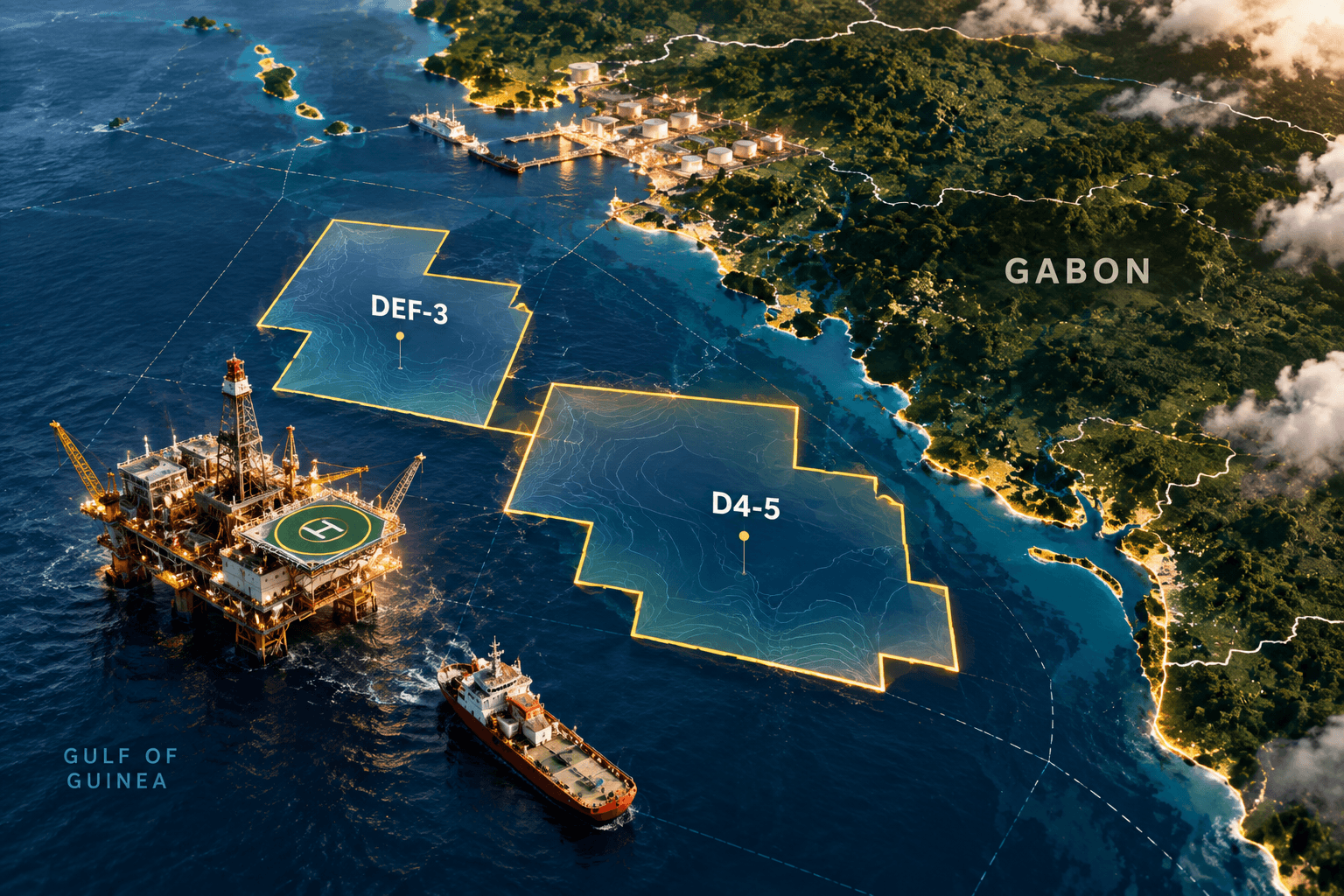
Nigeria’s Oilserv Expands Into Gabon With New Hydrocarbon and Gas Infrastructure Deal
Nigeria's Oilserv has signed an agreement with Gabon to develop two hydrocarbon blocks and associated gas transportation, compression and treatment infrastructure. The deal marks a new phase in Oilserv's continental expansion, taking the company beyond pipeline construction into resource development and gas monetisation.
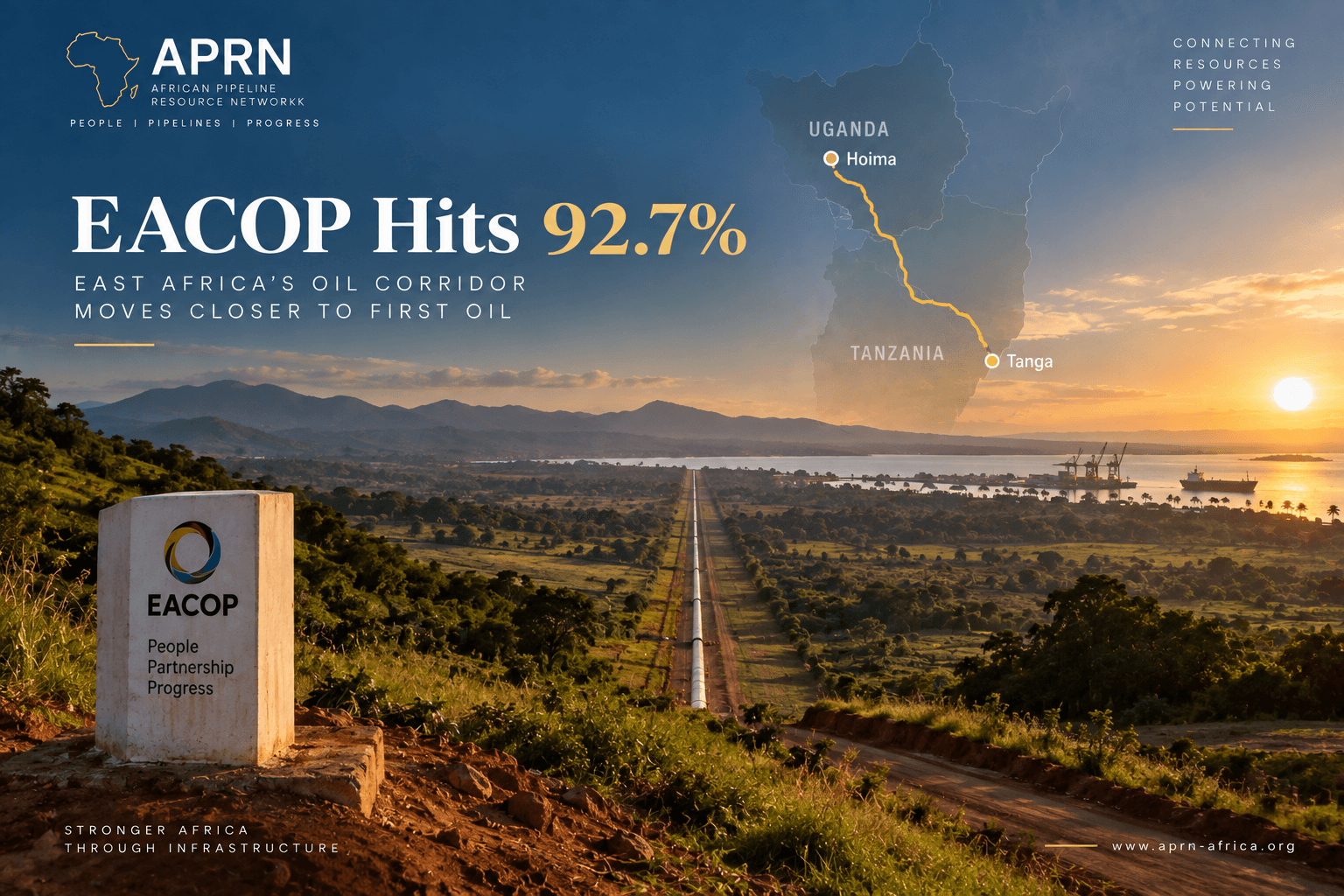
EACOP Hits 92.7% as Uganda’s Oil Corridor Moves From Construction to Commercial Reality
EACOP has reached 92.7% completion as Uganda moves closer to first oil, but the pipeline’s significance is expanding beyond crude transportation. With Pearl Sweet preparing for export, Vitol entering the marketing picture and a proposed $20 billion Tanga Energy Hub taking shape, East Africa is building an energy corridor around the pipeline.
Development Roadmap 2026–2030
Phase I Expansion
Launch of the centralized continental database and opening of two new regional training hubs.
Policy Harmonization
Implementation of unified cross-border tariff structures and safety standards across ECOWAS and SADC.
Full Integration
APRN positioned as the leading certification partner for major continental midstream projects across all AU member states.