Shell’s Niger Delta Pipeline Legacy Faces Fresh Scrutiny After Internal Documents Surface
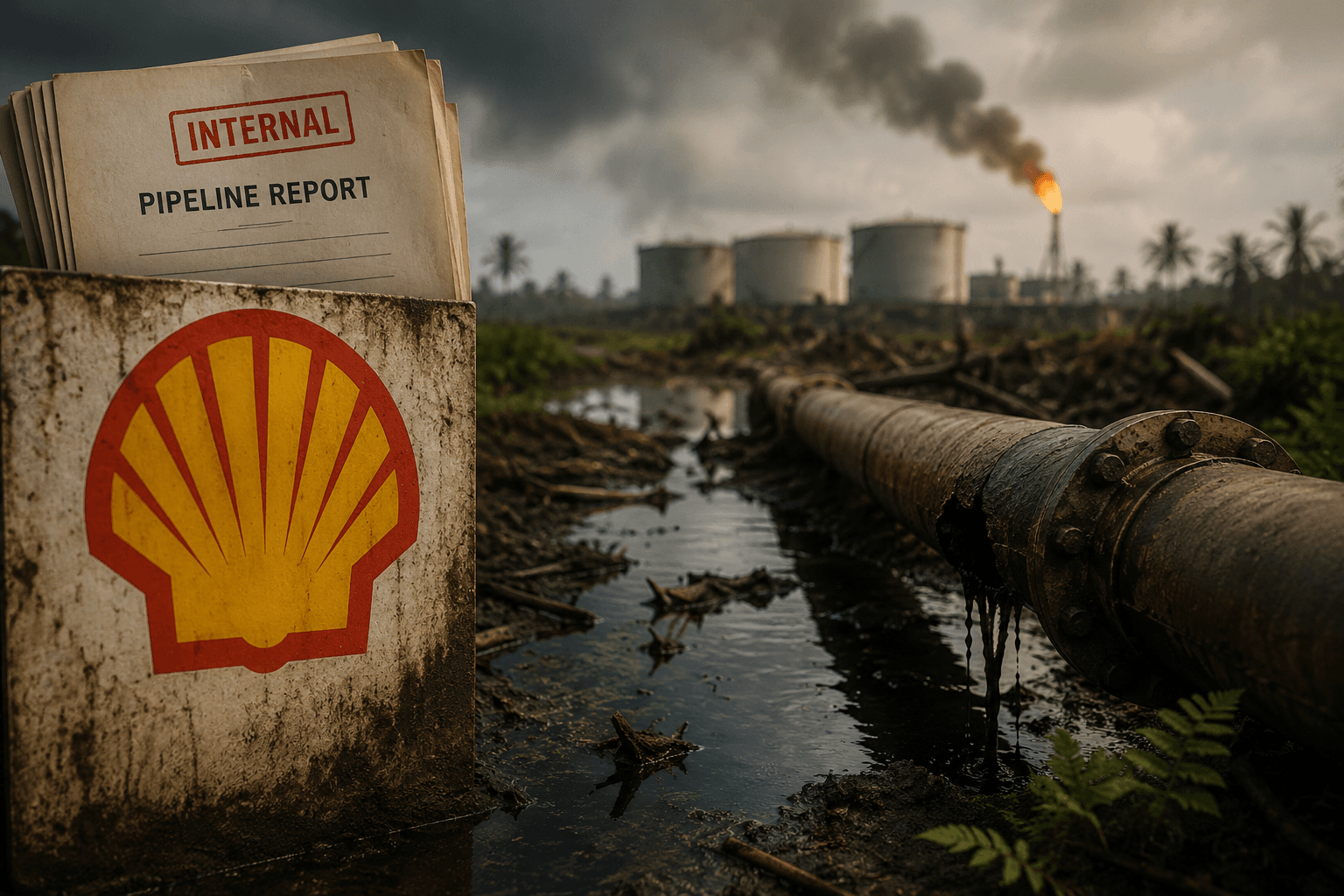
Internal documents reveal long-standing concerns over pipeline integrity, maintenance and the future cost of Shell’s ageing Niger Delta assets.
SourceThis week, pipelines take centre stage in the global energy story—from East Africa’s US$20 billion energy ambitions to Kazakhstan’s disrupted export route, Shell’s Niger Delta legacy and India’s search for a route beyond Hormuz. Together, these developments reveal an industry being reshaped by security, investment and resilience.
This Issue

Internal documents reveal long-standing concerns over pipeline integrity, maintenance and the future cost of Shell’s ageing Niger Delta assets.
Source
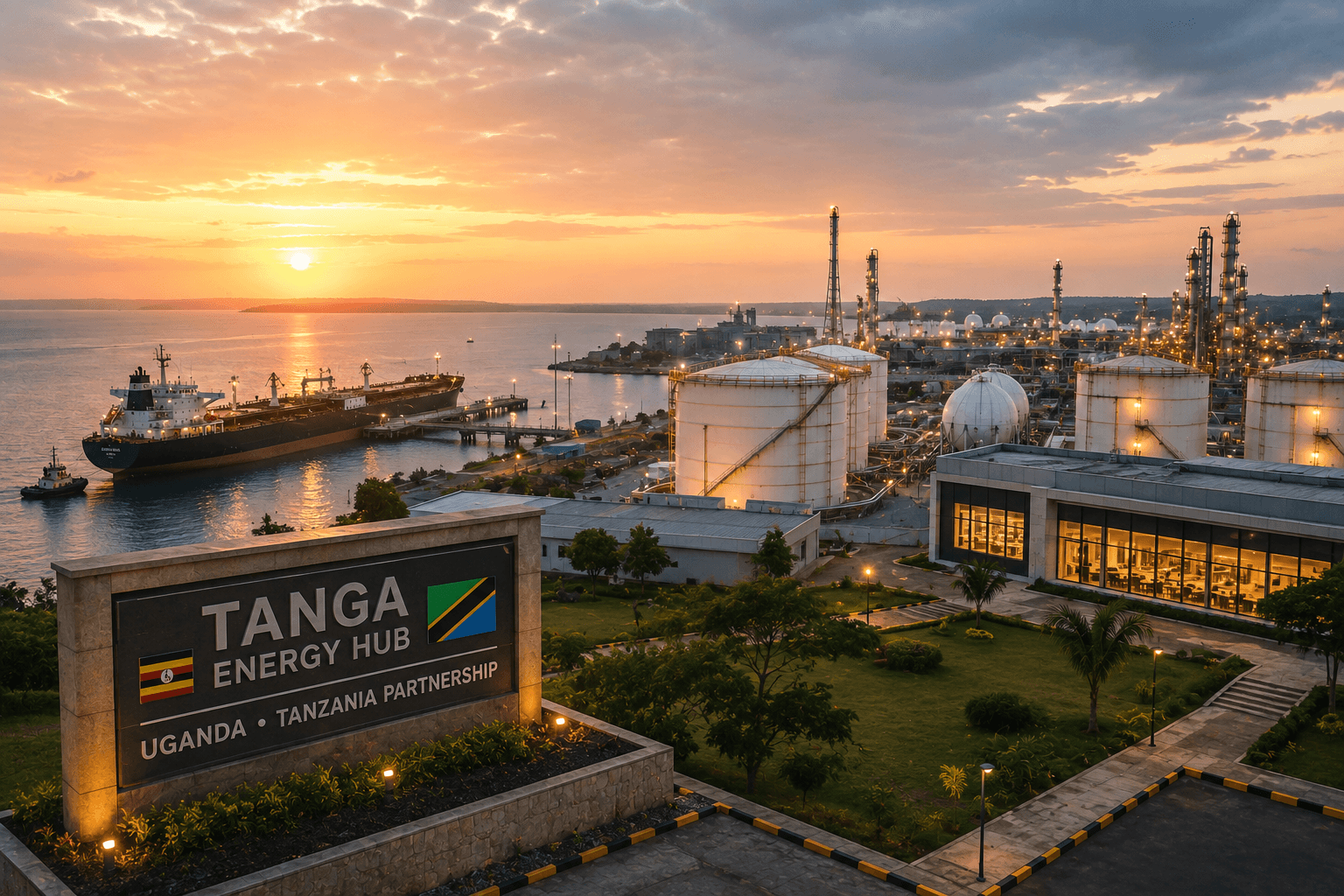
Uganda and Tanzania are expanding their EACOP partnership into a proposed US$20 billion-plus energy hub at Tanga, combining refining, storage, pipelines, gas infrastructure and regional petroleum trade.
Source
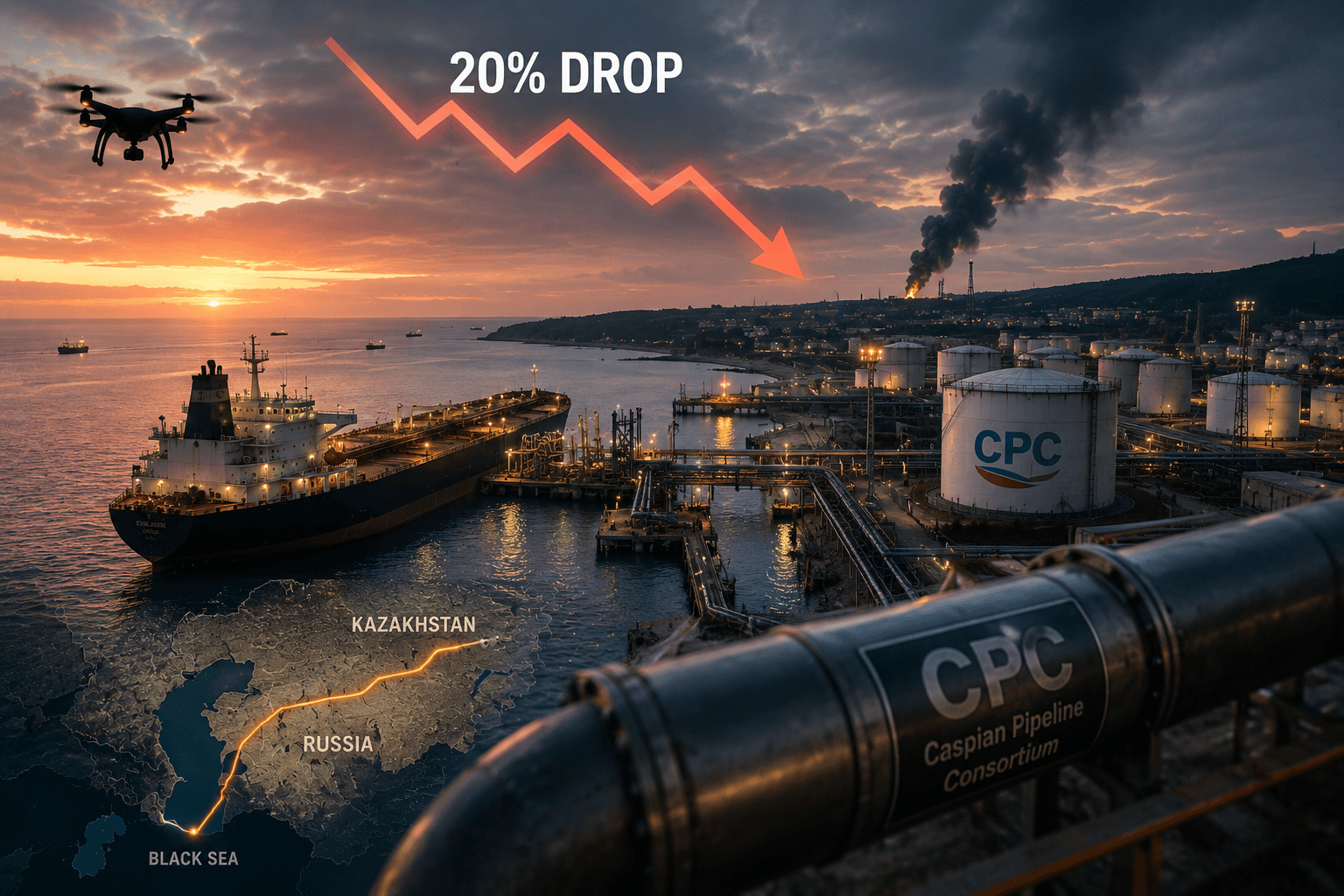
Drone attacks and security disruptions have cut Caspian Pipeline Consortium oil loadings by more than 20%, putting pressure on Kazakhstan’s production and exposing the vulnerability of one of the world’s critical crude export routes.
Source
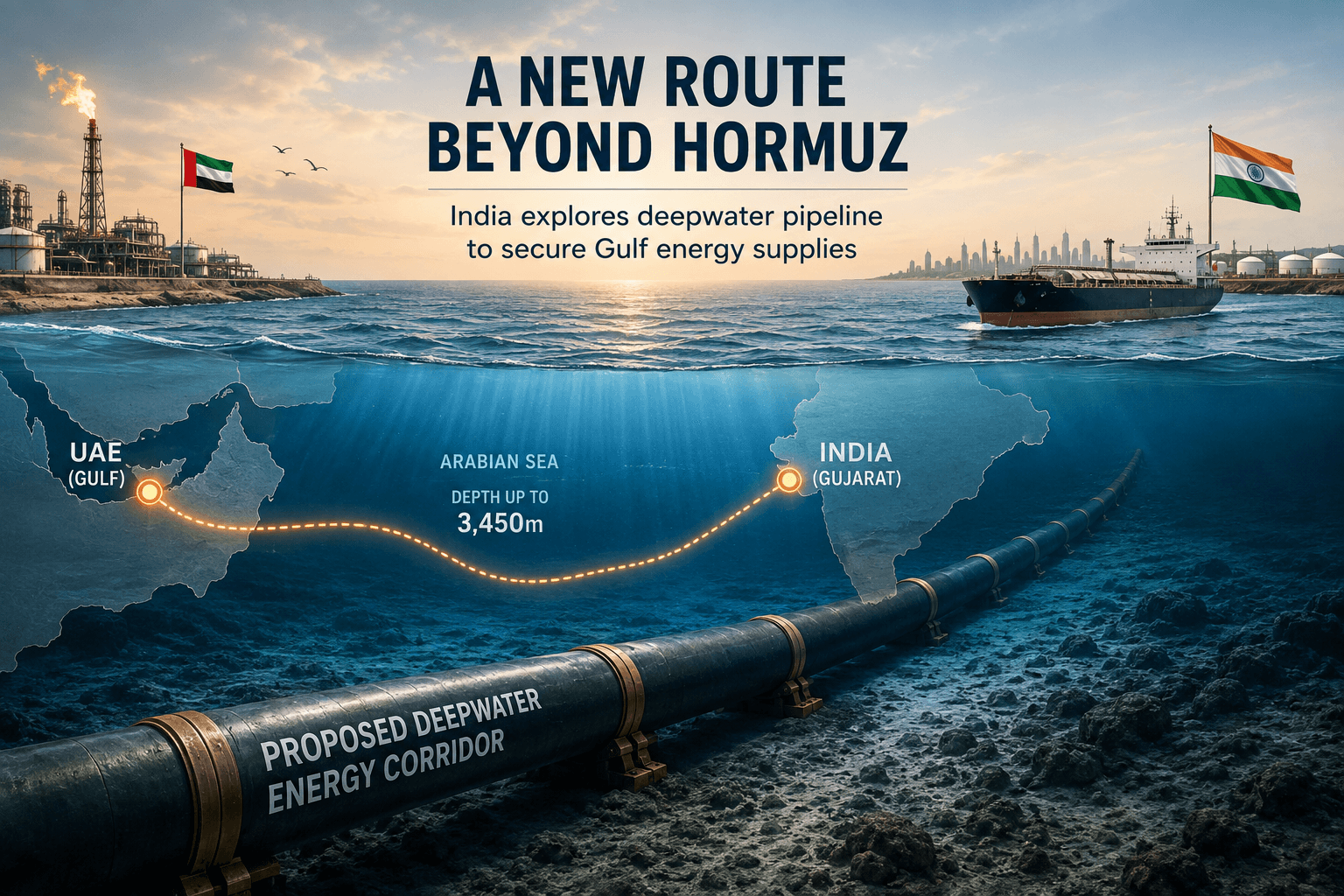
India is exploring deepwater pipeline options to reduce its exposure to the Strait of Hormuz, but extreme subsea depths, engineering complexity and uncertain economics could make the proposed energy corridor one of the industry's toughest infrastructure challenges.
SourceEditor's Analysis
“The race is no longer simply to build more pipelines, but to build infrastructure that can survive the world around it.”
The pipeline industry is entering a more complicated era. For decades, the central question was largely how to build enough infrastructure to move oil and gas from where it is produced to where it is needed. Increasingly, the harder questions are about resilience, security, longevity and strategic control. The four stories in this issue capture that shift from very different angles. In East Africa, Uganda and Tanzania are looking beyond EACOP's original purpose, attempting to turn Tanga into a broader energy hub that could reshape regional refining, storage and petroleum trade. In Kazakhstan, the disruption to CPC demonstrates the vulnerability of even established export corridors when geopolitical conflict reaches energy infrastructure. India, meanwhile, is considering whether extraordinary subsea engineering could provide an alternative to one of the world's most important maritime chokepoints. And then there is the other side of the pipeline lifecycle: Shell's Niger Delta legacy. The newly surfaced documents underline a reality that the industry cannot afford to overlook pipelines do not stop creating obligations when they stop carrying hydrocarbons. Ageing assets, maintenance, monitoring and decommissioning can leave technical, financial and environmental questions long after production has moved on. Taken together, these stories point to a fundamental change in how pipeline infrastructure should be viewed. The pipeline of the future will have to do more than transport energy efficiently; it will need to withstand geopolitical shocks, support regional economies, incorporate smarter integrity management and account for its entire lifecycle. That is perhaps the biggest story in the pipeline industry right now: the race is no longer simply to build more pipelines, but to build infrastructure that can survive the world around it.
Never Miss an Issue
Join 2,400+ engineers, policymakers, and financiers following Africa's infrastructure story.