APRN Intelligence Briefing
Vol. 2, Issue 001

APRN Intelligence for September 6th to September 13th.

Hey there, Energy People! 👋🏽 Another week, another reminder that energy infrastructure is never just about what gets built — it’s about what those assets unlock, how resilient they are, and what happens when they are disrupted. Let’s get into it.

Monday, 14 September 20264 Stories

This Issue

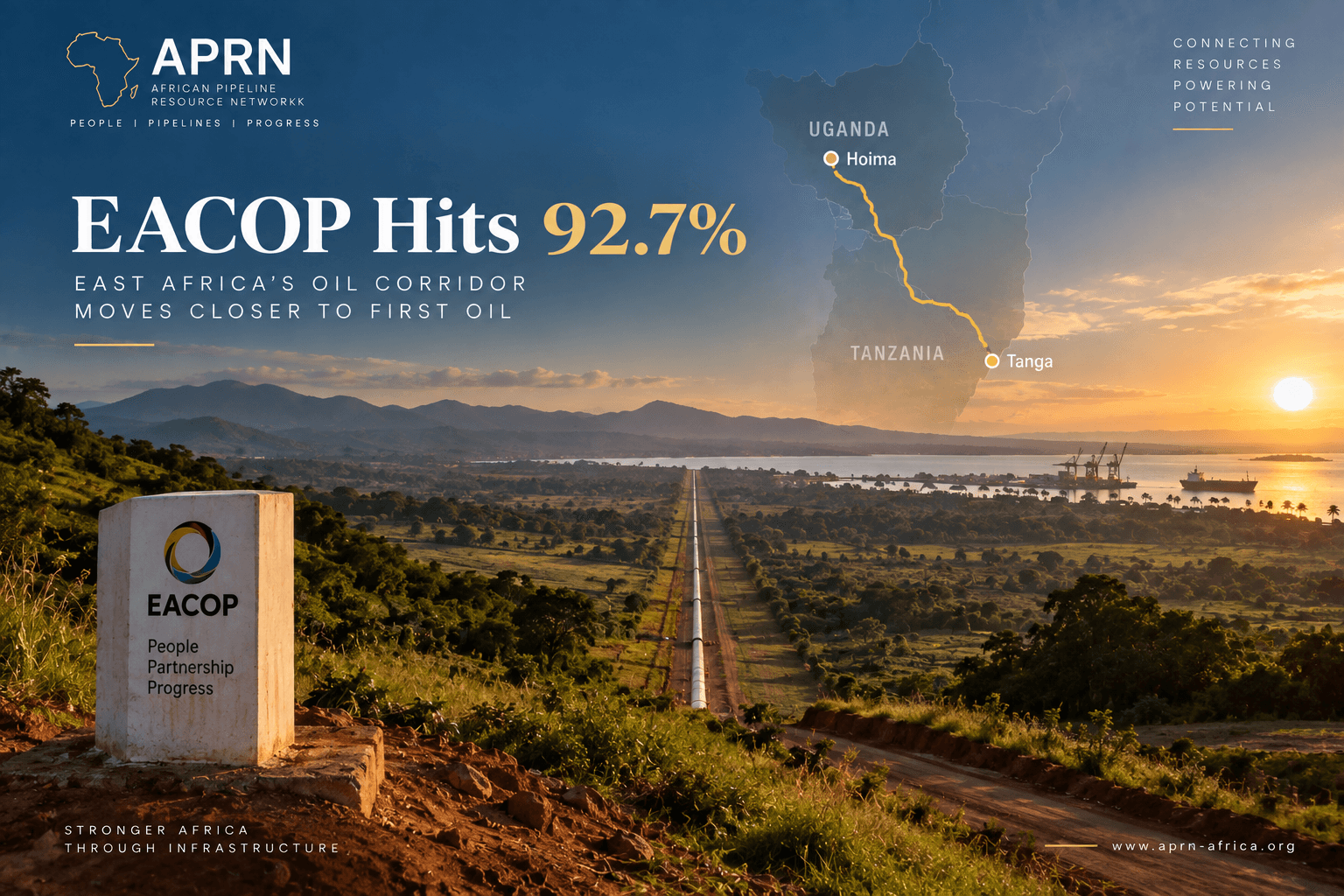
EACOP Hits 92.7% as Uganda’s Oil Corridor Moves From Construction to Commercial Reality
EACOP

EACOP Hits 92.7% as Uganda’s Oil Corridor Moves From Construction to Commercial Reality

EACOP has reached 92.7% completion as Uganda moves closer to first oil, but the pipeline’s significance is expanding beyond crude transportation. With Pearl Sweet preparing for export, Vitol entering the marketing picture and a proposed $20 billion Tanga Energy Hub taking shape, East Africa is building an energy corridor around the pipeline.

Source
Mozambique LNG Pipeline Work Begins as TotalEnergies Targets 2029 for First Gas
Construction

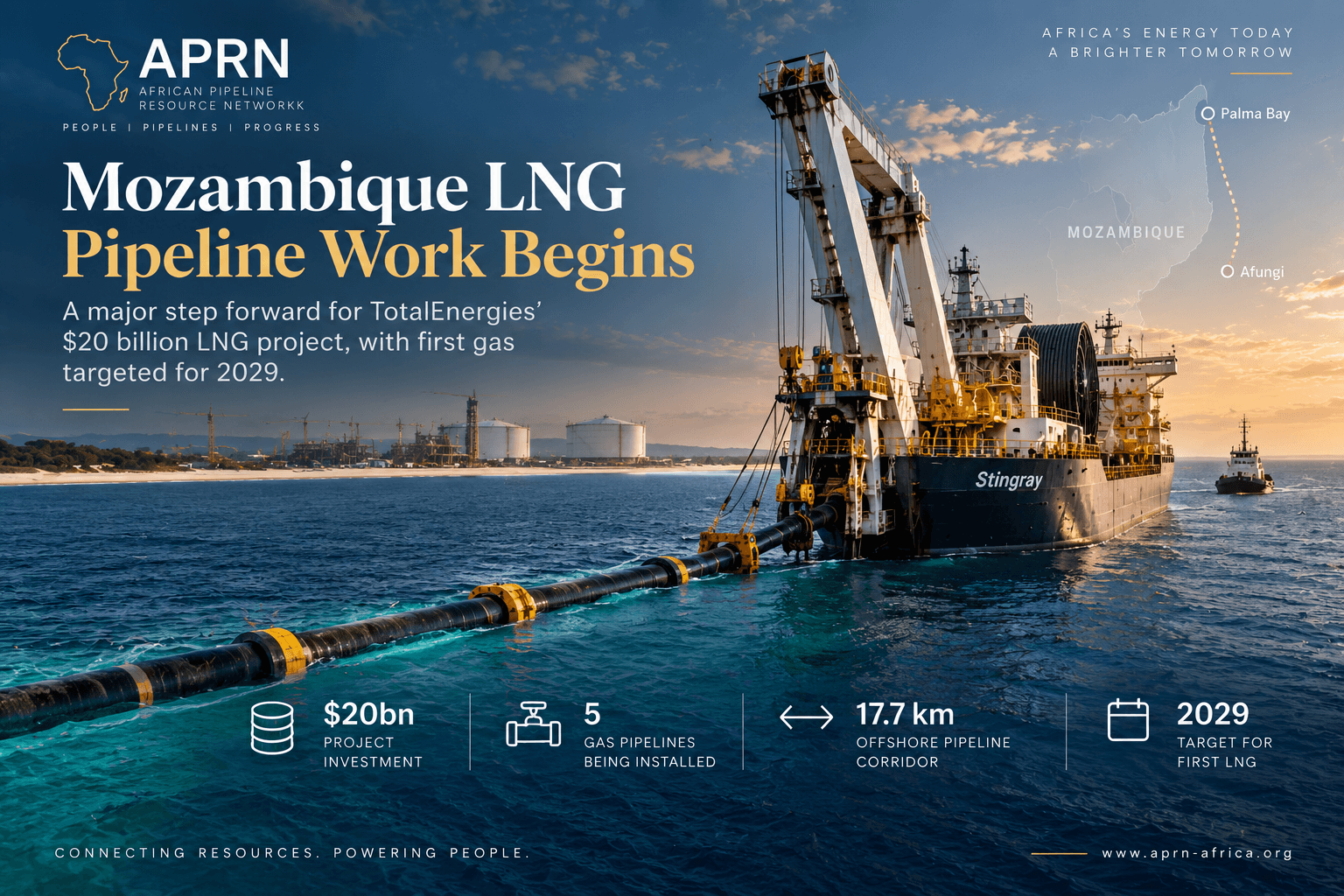
Mozambique LNG Pipeline Work Begins as TotalEnergies Targets 2029 for First Gas

Pipeline installation has begun for TotalEnergies’ Mozambique LNG project, marking a major construction milestone as the $20 billion development targets first LNG production in 2029.

Source
Mozambique and Zimbabwe Expand Fuel Corridor as Regional Demand Rises
Expansion

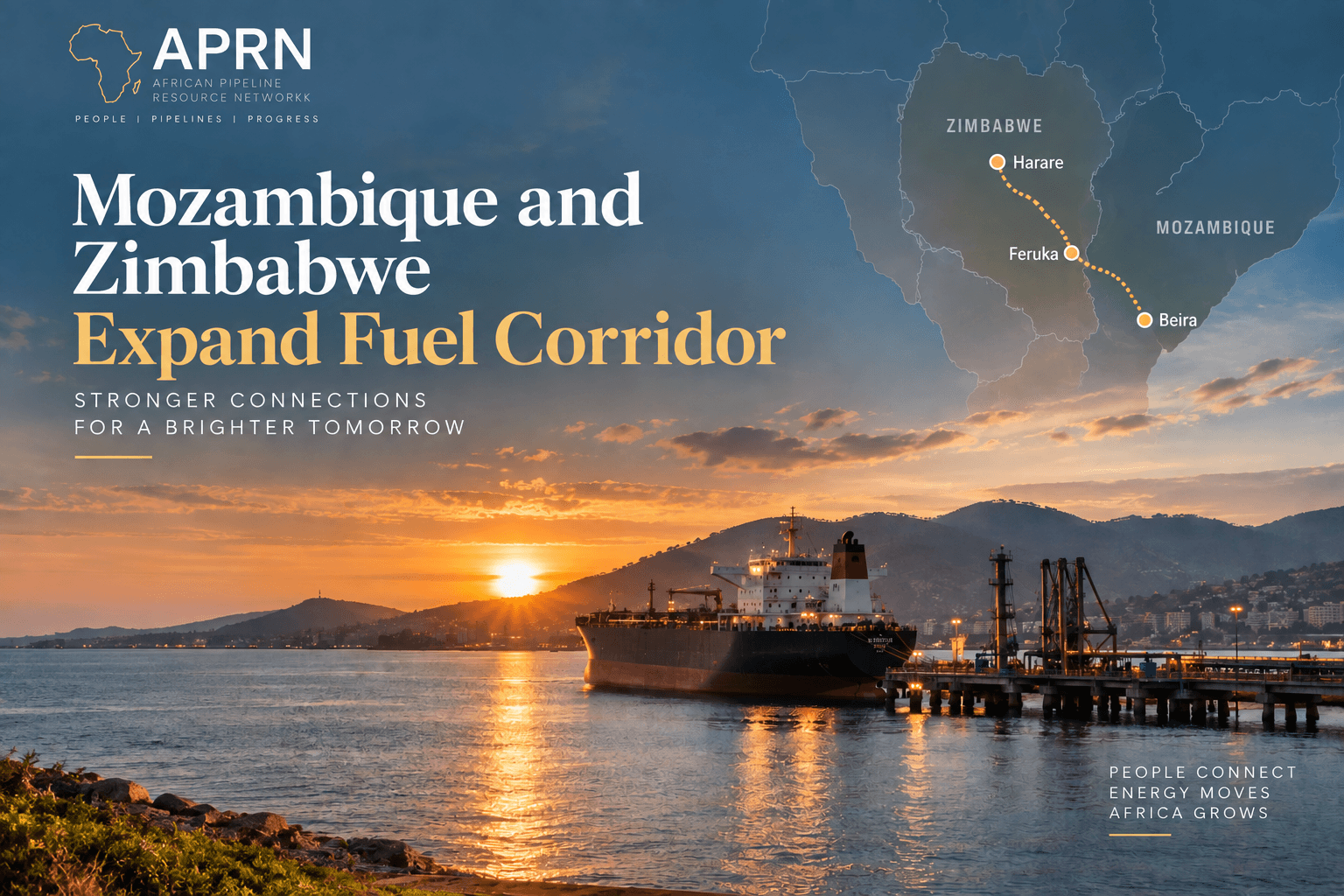
Mozambique and Zimbabwe Expand Fuel Corridor as Regional Demand Rises

Mozambique and Zimbabwe have launched a major expansion of the Beira–Harare fuel corridor, increasing pipeline capacity by 67% as demand grows across Zimbabwe and the wider Southern African hinterland.

Source
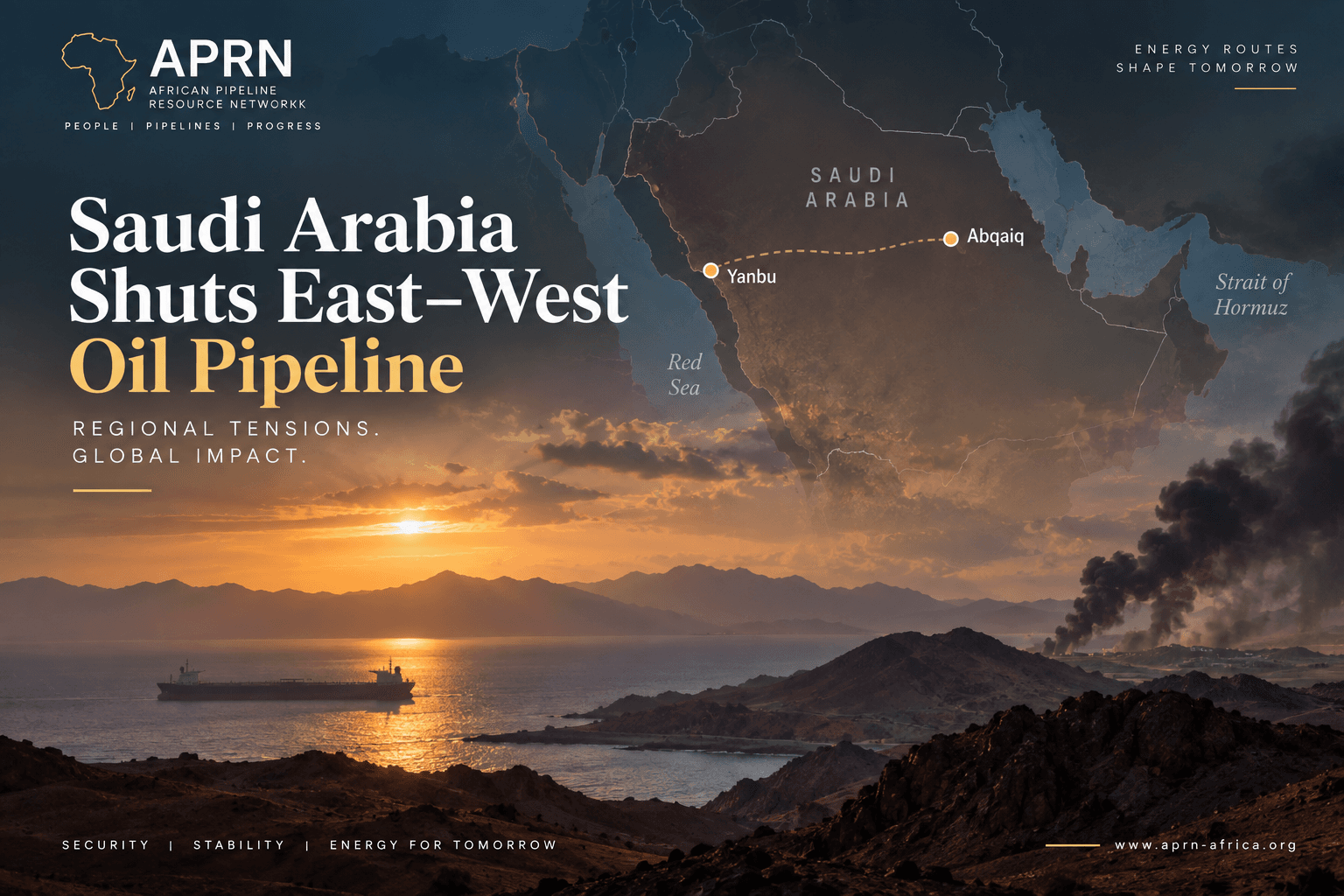
Saudi Arabia Shuts East–West Pipeline as Regional Energy Routes Come Under Pressure
Hormuz

Saudi Arabia Shuts East–West Pipeline as Regional Energy Routes Come Under Pressure

Saudi Arabia has shut its 1,200-km East–West oil pipeline after a drone attack, putting fresh pressure on global oil supplies as both the Strait of Hormuz and Red Sea face mounting security risks.

Source

Editor's Analysis

“The energy corridors being built today will shape tomorrow’s markets — but their resilience will determine whether those markets can withstand disruption.”

This week’s stories tell a remarkably connected story about the changing role of energy infrastructure. In Mozambique, the return of the Stingray pipelay vessel and the installation of five pipelines across Palma Bay signal that Mozambique LNG is finally moving from restart announcements to physical execution after years of disruption. The project is targeting first LNG in 2029. Further south, Mozambique and Zimbabwe are strengthening another critical corridor. The Beira–Feruka pipeline is being expanded from 3 million to 5 million cubic metres of fuel annually by the end of 2027, with new pumping stations planned in Nhamatanda and Messica. The bigger ambition is regional: strengthening fuel security for Zimbabwe and the wider Southern African hinterland. Then there is EACOP, which has reached 92.7% completion. With its six pump stations and two pressure-reduction stations taking shape, Uganda's crude export system is moving closer to operation. The significance goes beyond the pipeline itself: EACOP is increasingly becoming the physical backbone connecting Uganda's oil production to Tanzania's coast and the international market. And then comes the warning from Saudi Arabia. The East–West pipeline was designed to provide an alternative route for Saudi crude around the Strait of Hormuz. Yet a drone attack has now forced the 1,200-km system offline, putting as much as 4% of global oil supply at risk if the disruption persists. Put together, these stories leave us with one clear lesson: Building energy corridors matters. But making them resilient may matter even more.

Lucy Okeke
Founder & Executive Director, APRN

Never Miss an Issue

Subscribe Free — Every Monday

Join 2,400+ engineers, policymakers, and financiers following Africa's infrastructure story.

Published every Monday. No spam. Unsubscribe at any time.