APRN Intelligence Briefing
Vol. 2, Issue 003

APRN Intelligence for September 27th to October 3rd.

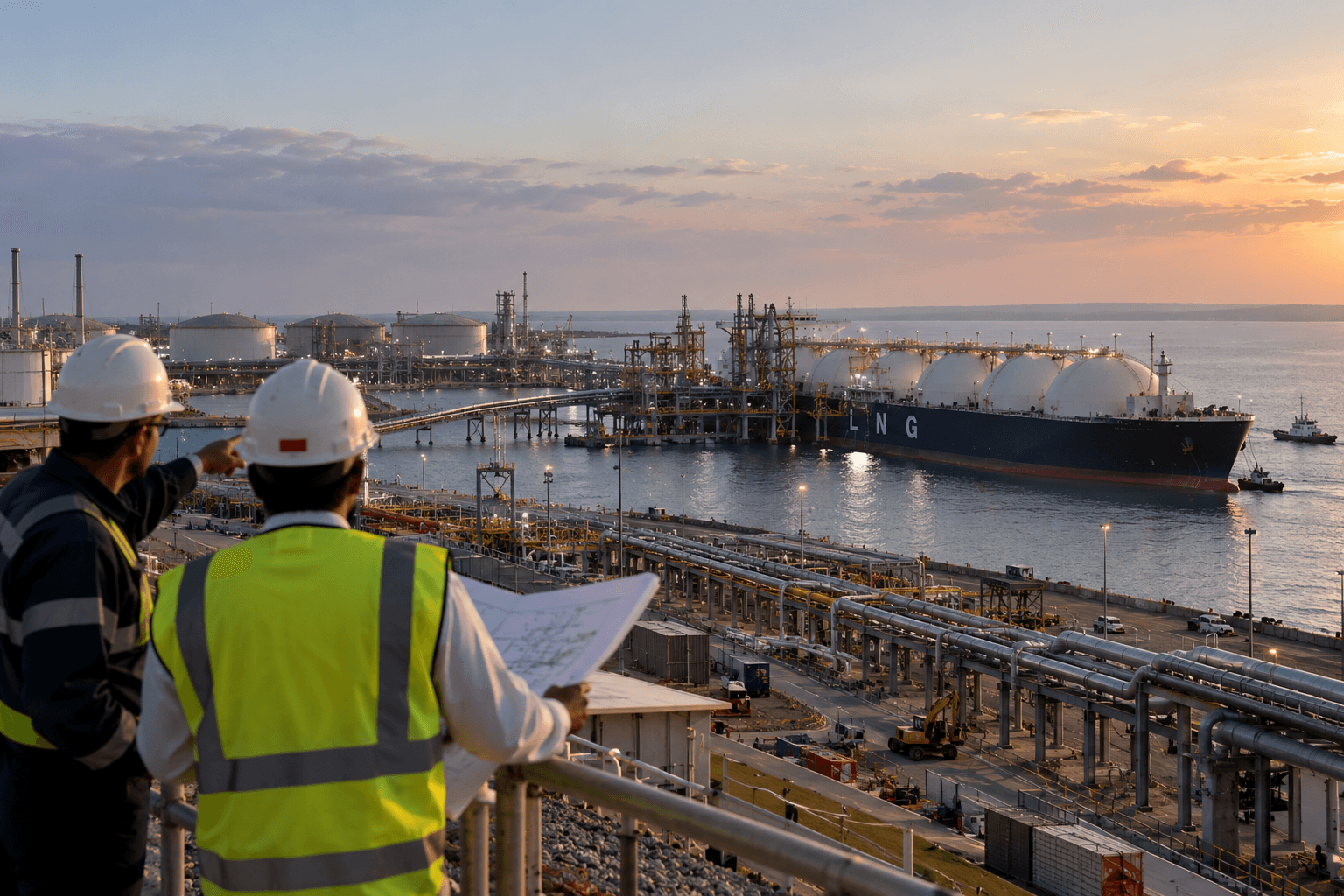
Hey there, Energy People! 👋🏽 This week, the energy infrastructure story is really about connection — connecting gas reserves to markets, ports to landlocked economies, new production to LNG plants, and capital to the infrastructure needed to keep the energy system expanding. Let’s get into it.

Monday, 5 October 20264 Stories

This Issue

Nigeria’s Gas Network Is Finally Catching Up With Its Gas Reserves
Gas

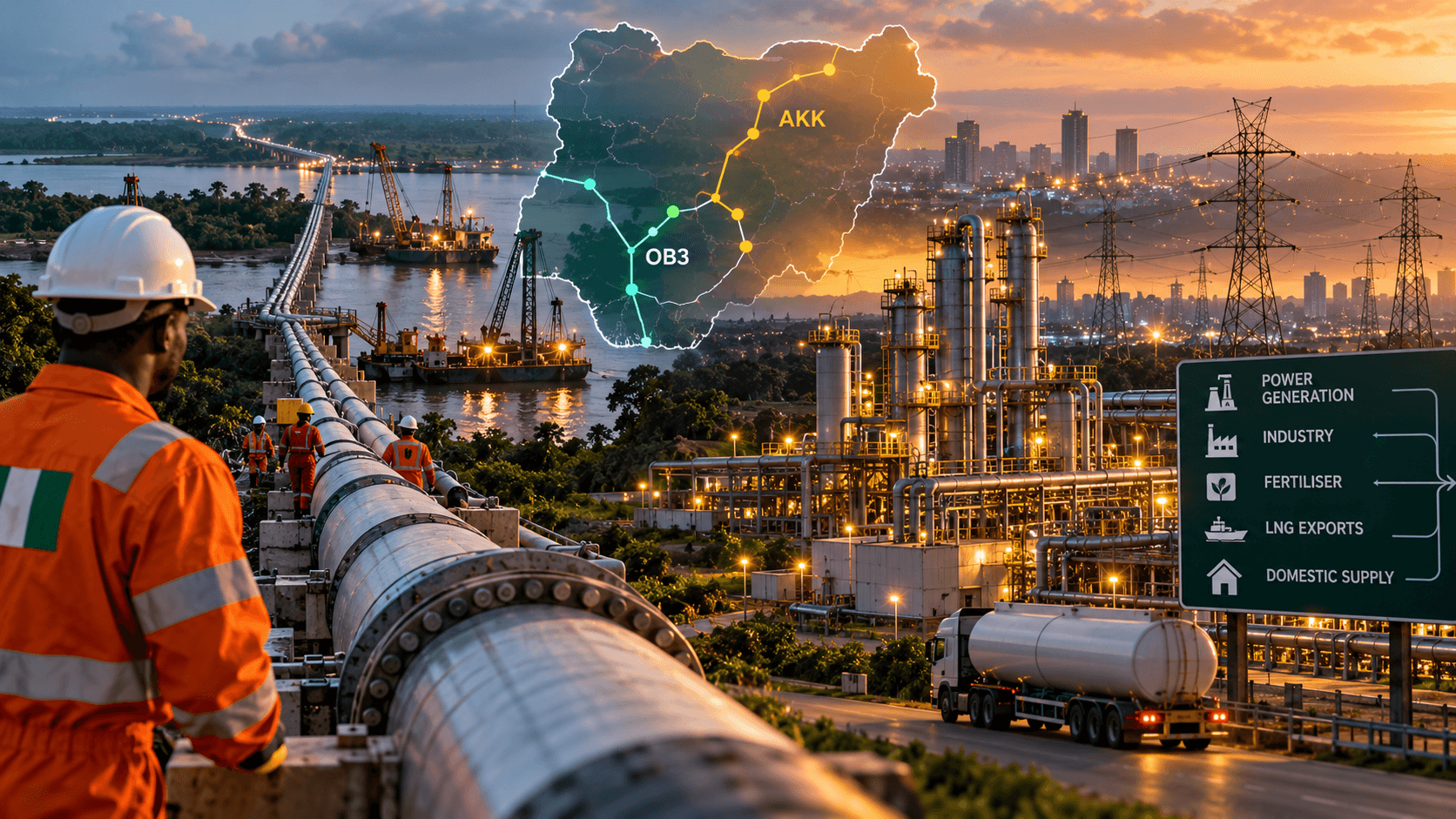
Nigeria’s Gas Network Is Finally Catching Up With Its Gas Reserves

Nigeria's gas network is entering a new phase as OB3 reaches completion, AKK nears the finish line and domestic supply crosses 2 Bcf/d. With 215.19 Tcf of proven reserves, the country is finally building the infrastructure needed to turn gas abundance into usable energy.

Source
Kenya-Rwanda Fuel Deal Could Reshape East Africa’s Northern Energy Corridor
Upstream

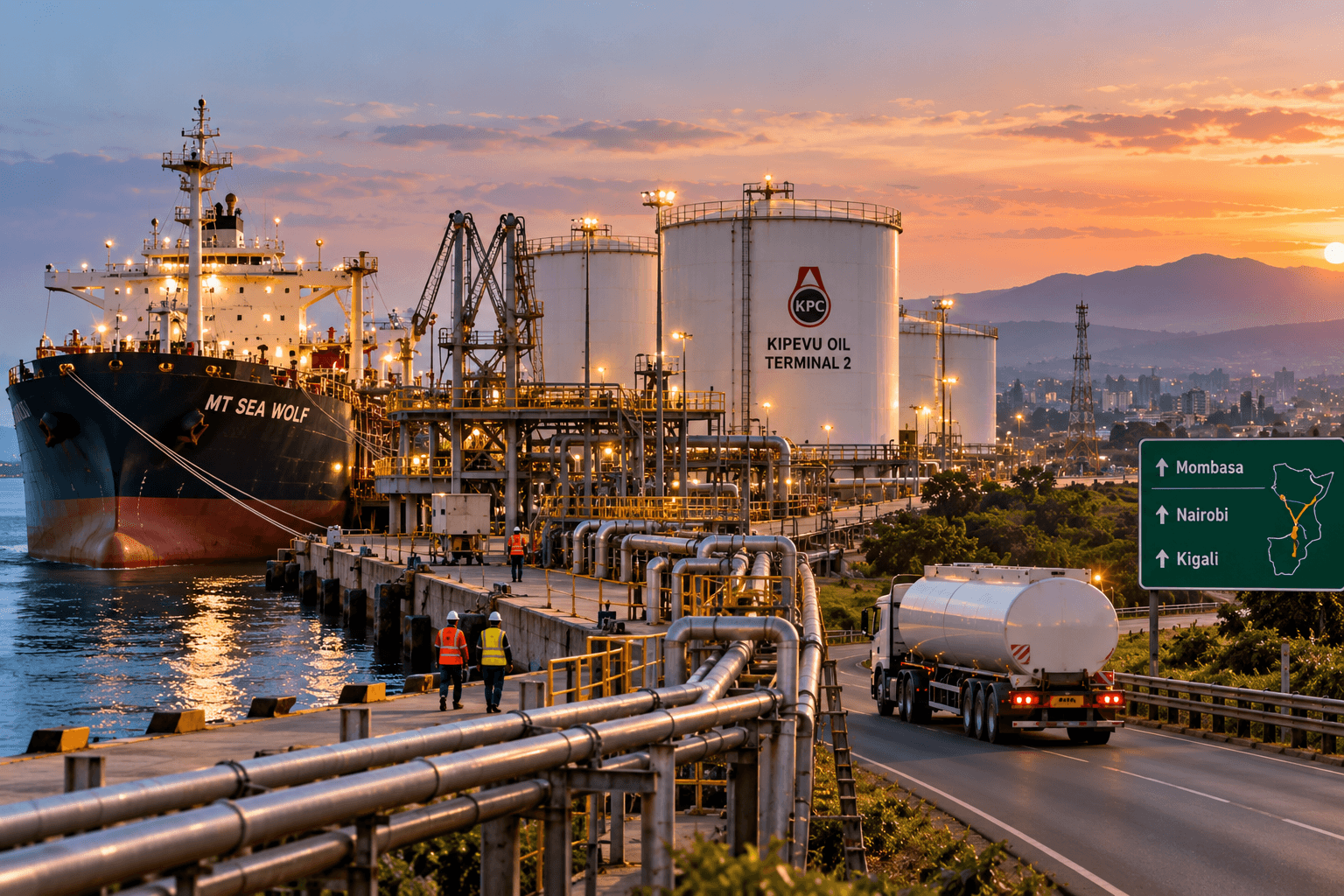
Kenya-Rwanda Fuel Deal Could Reshape East Africa’s Northern Energy Corridor

Rwanda’s first major bulk fuel shipment through Mombasa marks a new phase for Kenya’s Northern Corridor, with petroleum volumes potentially rising tenfold as Kenya’s ports, pipelines and storage infrastructure take on a larger regional role.

Source
Nigeria’s Ima Gas Project Adds 22-km Pipeline Link to NLNG Train 7
Upstream

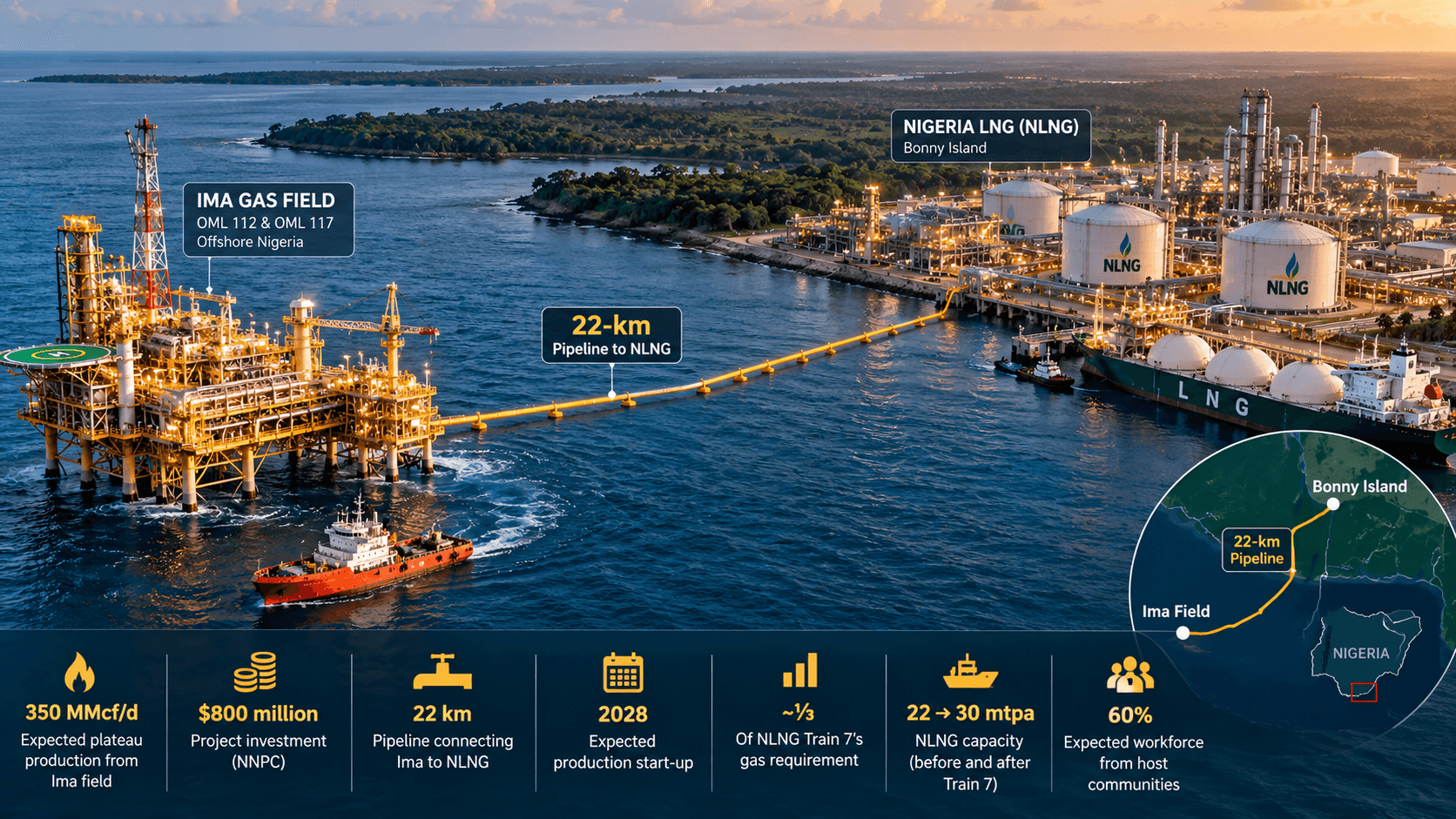
Nigeria’s Ima Gas Project Adds 22-km Pipeline Link to NLNG Train 7

TotalEnergies and AMNI have reached FID on Nigeria’s Ima Gas Development, a project expected to produce 350 MMcf/d from 2028 and deliver about one-third of the gas required for NLNG Train 7 through a new 22-km pipeline.

Source
Alternative Capital Is Powering America’s Next Wave of LNG and Pipeline Projects
Upstream

Alternative Capital Is Powering America’s Next Wave of LNG and Pipeline Projects

Alternative asset managers are becoming major financiers of America’s LNG and pipeline infrastructure, with insurance-backed capital helping developers meet the enormous funding requirements of the next wave of energy projects.

Source

Editor's Analysis

“The future of energy infrastructure will belong to the systems that connect resources, markets and capital, not simply to the resources themselves.”

The infrastructure gap is becoming the energy story. Across these four developments, the same pattern keeps appearing. Having energy resources is no longer enough. The real value increasingly lies in the systems that connect production, transportation, storage, processing, markets and capital. Nigeria illustrates this particularly well. The country has enormous gas reserves, but projects such as OB3, AKK and Ima are needed to physically connect those resources to consumers and export facilities. Rwanda, meanwhile, is showing why regional infrastructure matters to countries that do not have their own petroleum resources. Its ability to secure fuel depends on the strength and flexibility of the corridors connecting it to the coast. And in the US, the infrastructure is already being built at scale — but the financing model is evolving to keep pace. Taken together, the stories suggest that the next phase of Africa’s and the global energy transition will not be defined solely by how much energy is produced, but by how effectively infrastructure connects it to where it is needed.

Lucy Okeke
Founder & Executive Director, APRN

Never Miss an Issue

Subscribe Free — Every Monday

Join 2,400+ engineers, policymakers, and financiers following Africa's infrastructure story.

Published every Monday. No spam. Unsubscribe at any time.