APRN Intelligence Briefing
Vol. 2, Issue 002

APRN Intelligence for September 20th to September 26th.

This week, we look at three developments reshaping Africa’s energy corridors. Together, they reflect a continent increasingly focused on building the infrastructure, partnerships and regional connections needed to turn energy resources into economic activity.

Sunday, 27 September 20263 Stories

This Issue

Dangote Backs $660 Million Pipeline Linking Ethiopia and Djibouti
Upstream

Dangote Backs $660 Million Pipeline Linking Ethiopia and Djibouti

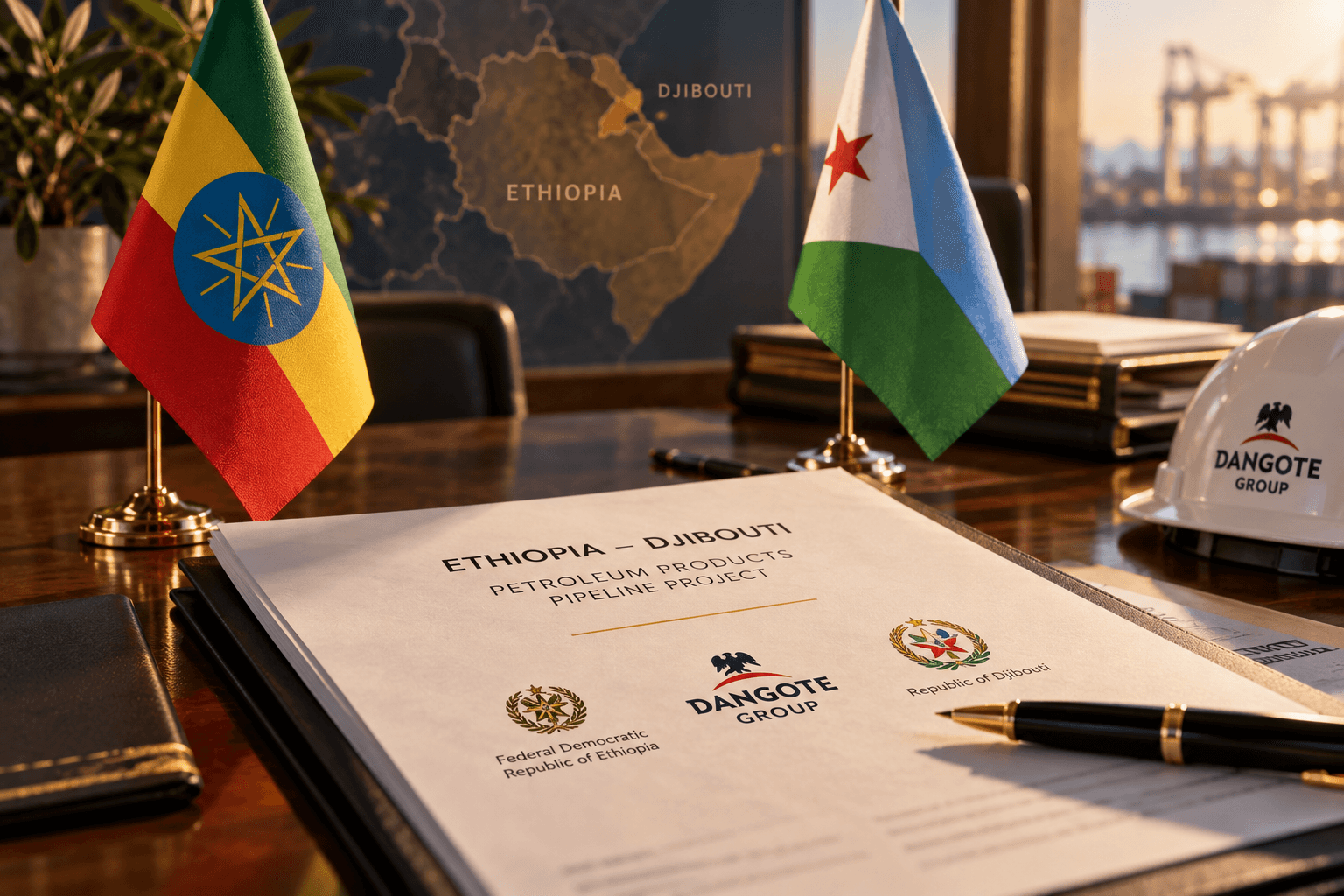
Dangote is helping fund a $660 million petroleum-products pipeline linking Djibouti and landlocked Ethiopia. The 120-km corridor will connect Damerjog with Dewele and add more than one million cubic metres of storage, marking another step in Dangote's expanding strategy to build Africa-wide refining, storage and fuel-distribution infrastructure.

Source

Nigeria’s Oilserv Expands Into Gabon With New Hydrocarbon and Gas Infrastructure Deal
Upstream

Nigeria’s Oilserv Expands Into Gabon With New Hydrocarbon and Gas Infrastructure Deal

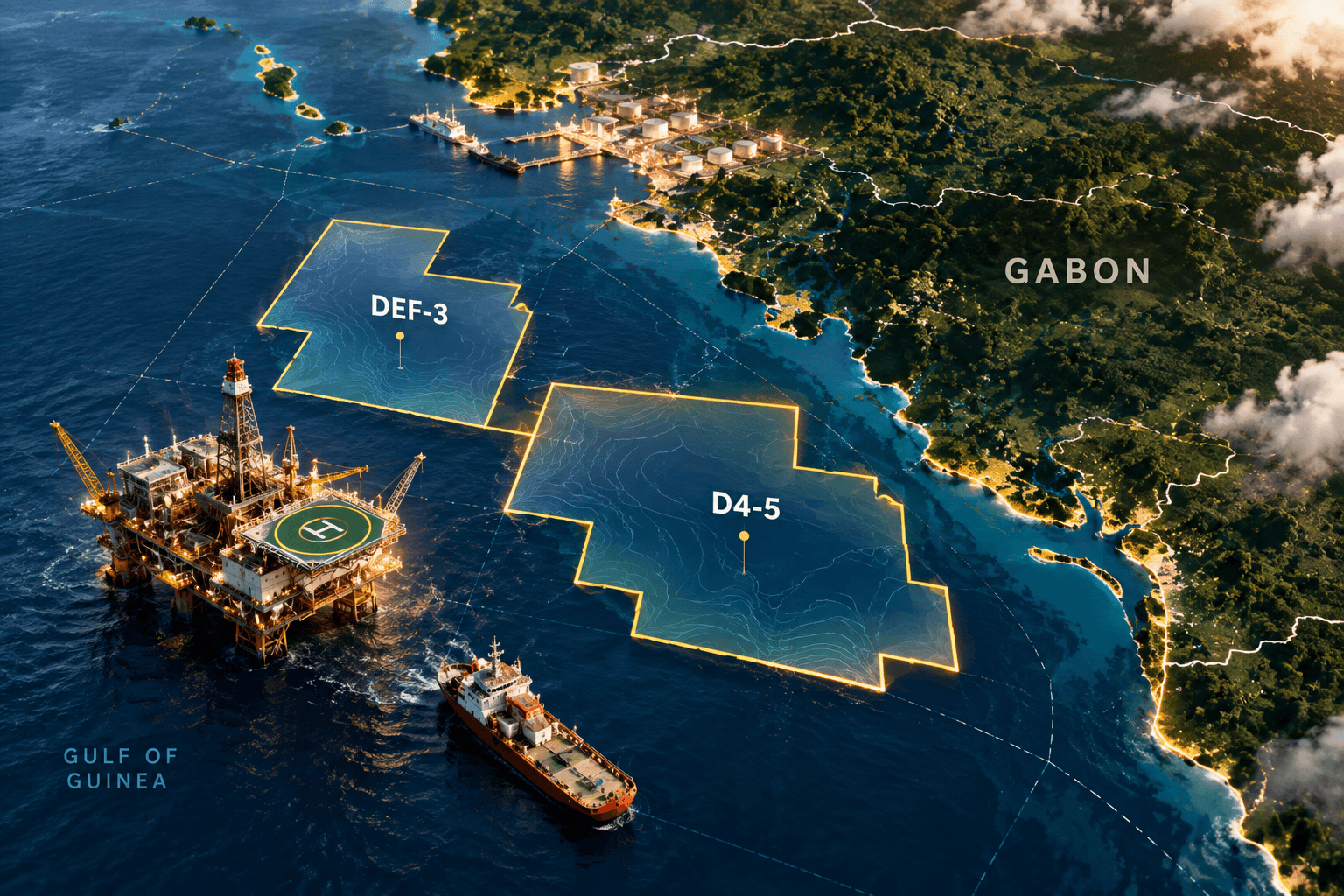
Nigeria's Oilserv has signed an agreement with Gabon to develop two hydrocarbon blocks and associated gas transportation, compression and treatment infrastructure. The deal marks a new phase in Oilserv's continental expansion, taking the company beyond pipeline construction into resource development and gas monetization.

Source
EACOP Sets December Line-Fill as Uganda and Tanzania Move Toward First Crude Export
EACOP

EACOP Sets December Line-Fill as Uganda and Tanzania Move Toward First Crude Export

EACOP has reached 92.7% completion, with line filling expected to begin in December and Uganda's first crude reaching Tanga around February 2027. With Pearl Sweet named, Vitol appointed as marketer and a proposed $20 billion Tanga Energy Hub taking shape, East Africa's long-awaited oil corridor is moving from construction into commissioning.

Source

Editor's Analysis

“The next phase of Africa’s energy story will be defined not only by what the continent produces, but by how effectively it connects those resources to markets.”

There is a common thread running through this week’s stories: Africa is building the infrastructure needed to move from resource ownership to resource utilisation. In Gabon, Nigerian engineering company Oilserv has signed an agreement covering the development and commercialisation of the DEF-3 and D4-5 hydrocarbon blocks, alongside gas transportation, compression and treatment infrastructure intended to support power generation and industrial development. The deal is significant not only for Gabon’s resources, but for the growing role of African-owned companies in developing energy infrastructure across the continent. Further east, EACOP is moving from construction toward operation. The 1,443-km Uganda–Tanzania pipeline is now 92.7% complete, with line filling expected to begin in December and the first crude export cargo from Tanga targeted for February or early March 2027. After months of following the project's construction milestones, the conversation is finally shifting toward what happens when crude actually begins moving through the system. And in the Horn of Africa, Dangote Group is partnering with Ethiopia and Djibouti on a $660 million, 120-km refined-products pipeline linking Damerjog with Dewele. With more than 1.17 million cubic metres of planned storage at both ends, the project is designed to reduce logistics bottlenecks and strengthen fuel supply for landlocked Ethiopia. It also adds another piece to Dangote's increasingly continental energy strategy. Taken together, the stories point to something bigger than three individual projects. Africa's energy infrastructure is becoming increasingly regional and increasingly African-led.

Lucy Okeke
Founder & Executive Director, APRN

Never Miss an Issue

Subscribe Free — Every Monday

Join 2,400+ engineers, policymakers, and financiers following Africa's infrastructure story.

Published every Monday. No spam. Unsubscribe at any time.