
APRN Intelligence Briefing
Vol. 2, Issue 004Sent to 4 subscribers

APRN Intelligence for October 4th to October 10th.

Hey there, Energy People! 👋🏽 This week’s developments across the energy industry point to a familiar reality: energy resources only create value when the infrastructure around them is ready to move, process and deliver them. Let’s get into it.

Sunday, 11 October 20263 Stories

This Issue

Nigeria Approves 128 Oil Wells for Drilling as Regulator Targets Production Recovery
Drilling

Nigeria Approves 128 Oil Wells for Drilling as Regulator Targets Production Recovery

Nigeria's upstream regulator has approved 128 wells for drilling in 2026 and overseen the successful re-entry of 77 existing wells. Yet, with more than 788,000 barrels per day of production still shut in, the challenge extends beyond drilling new wells to bringing existing capacity back online.

Source

West Africa's Gas Network Expands as Benin Targets Industrial Growth
WAPCo

West Africa's Gas Network Expands as Benin Targets Industrial Growth

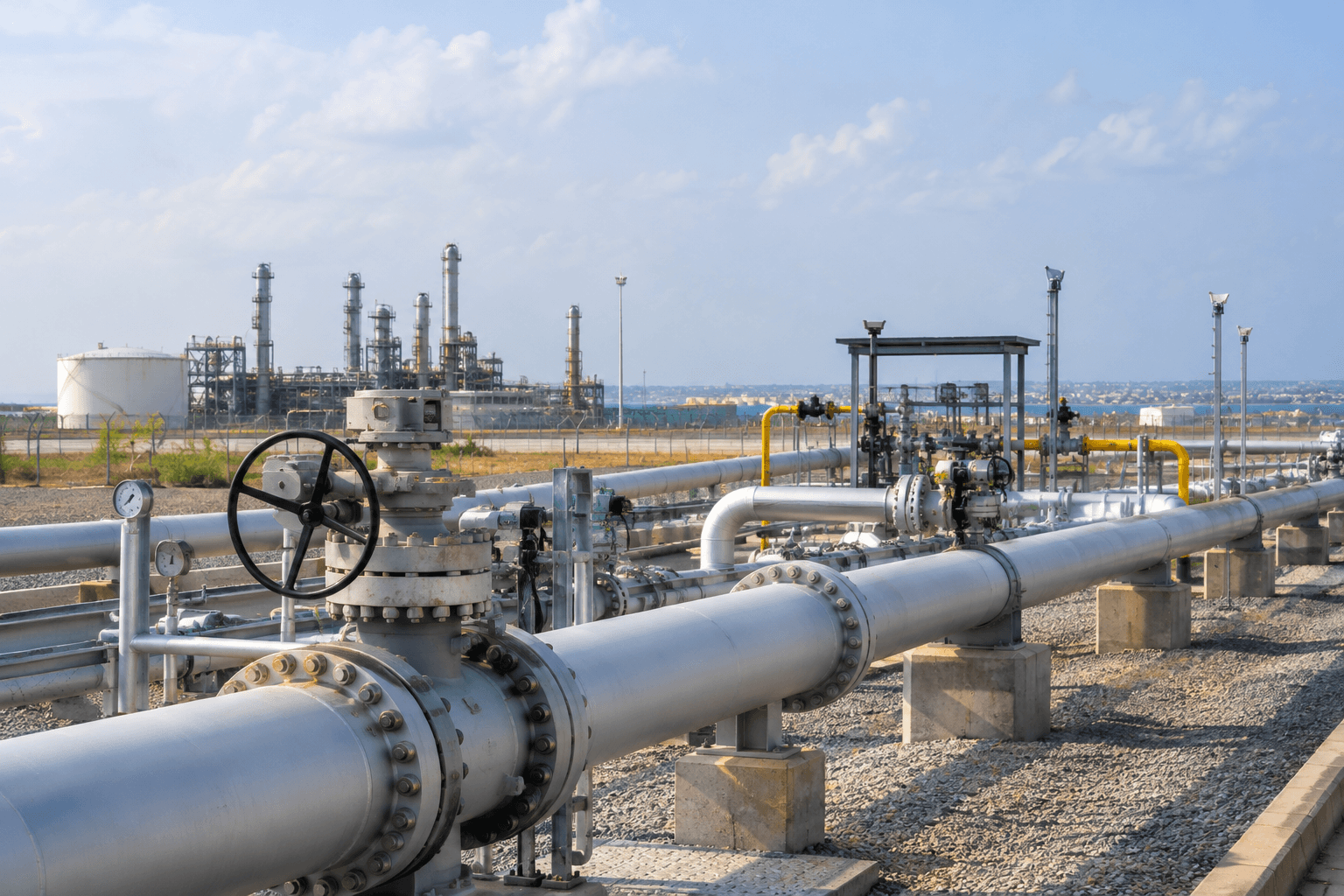
The planned expansion of WAPCo’s Cotonou metering station and its interconnection with Benin’s domestic gas network could strengthen energy supply to industrial users, highlighting the growing importance of cross-border gas infrastructure to West African industrialisation.

Source
Baker Hughes Expands Partnership Efforts to Venezuela’s Natural Gas Pipeline Sector
EACOP

Baker Hughes Expands Partnership Efforts to Venezuela’s Natural Gas Pipeline Sector

Nigeria's upstream regulator has approved 128 wells for drilling in 2026 and overseen the successful re-entry of 77 existing wells. Yet, with more than 788,000 barrels per day of production still shut in, the challenge extends beyond drilling new wells to bringing existing capacity back online.

Source

Editor's Analysis

“The next phase of energy growth will not be determined by resources alone, but by the infrastructure that connects them to the people and markets that need them.”

This week’s developments across the energy industry point to a familiar reality: energy resources only create value when the infrastructure around them is ready to move, process and deliver them. In Nigeria, the approval of 128 oil wells for drilling in 2026 signals renewed activity across the upstream sector, but the more revealing figure may be the more than 788,000 barrels per day of shut-in production reported across 63 operators. The approvals create opportunities for new production, but recovering existing output will depend just as heavily on infrastructure, investment and operational execution. Further west, WAPCo is preparing to increase gas delivery capacity in Benin from 27 million to 62 million standard cubic feet per day. The planned expansion of its Cotonou regulation and metering station comes alongside an interconnection with Benin’s domestic gas network, creating a stronger link between the regional West African Gas Pipeline and industrial demand, including the Glo-Djigbé Industrial Zone. Meanwhile, in Venezuela, Baker Hughes has entered new agreements with PDVSA, Lindsayca and Fulcrum LNG to explore the development of natural gas and energy infrastructure. The partnership spans areas including gas infrastructure, processing, transportation and potential LNG development. While the agreements do not yet represent completed projects, they highlight the growing emphasis on building the infrastructure needed to turn gas resources into usable domestic and export opportunities. Taken together, these developments show that the next phase of energy growth will not be determined by reserves or production targets alone. The infrastructure connecting resources to markets may ultimately be just as important.

Lucy Okeke
Founder & Executive Director, APRN

Never Miss an Issue

Subscribe Free — Every Monday

Join 2,400+ engineers, policymakers, and financiers following Africa's infrastructure story.

Published every Monday. No spam. Unsubscribe at any time.