APRN Intelligence Briefing
Vol. 2, Issue 006Sent to 4 subscribers

APRN Intelligence for October 18th to October 24th

Hey there, Energy People! 👋🏽 Pipelines are often discussed in terms of distance,capacity, and construction costs. But behind every new connection is a bigger question: who gets access to energy, which markets can be reached, and how reliably can supply meet demand? This week, developments across Mozambique, Kenya, and the United States offer three perspectives on that question. Let's dive in!

Monday, 26 October 20263 Stories

This Issue

Dangote Acquires 25% Stake in Kenya Pipeline Company
Finance

Dangote Acquires 25% Stake in Kenya Pipeline Company

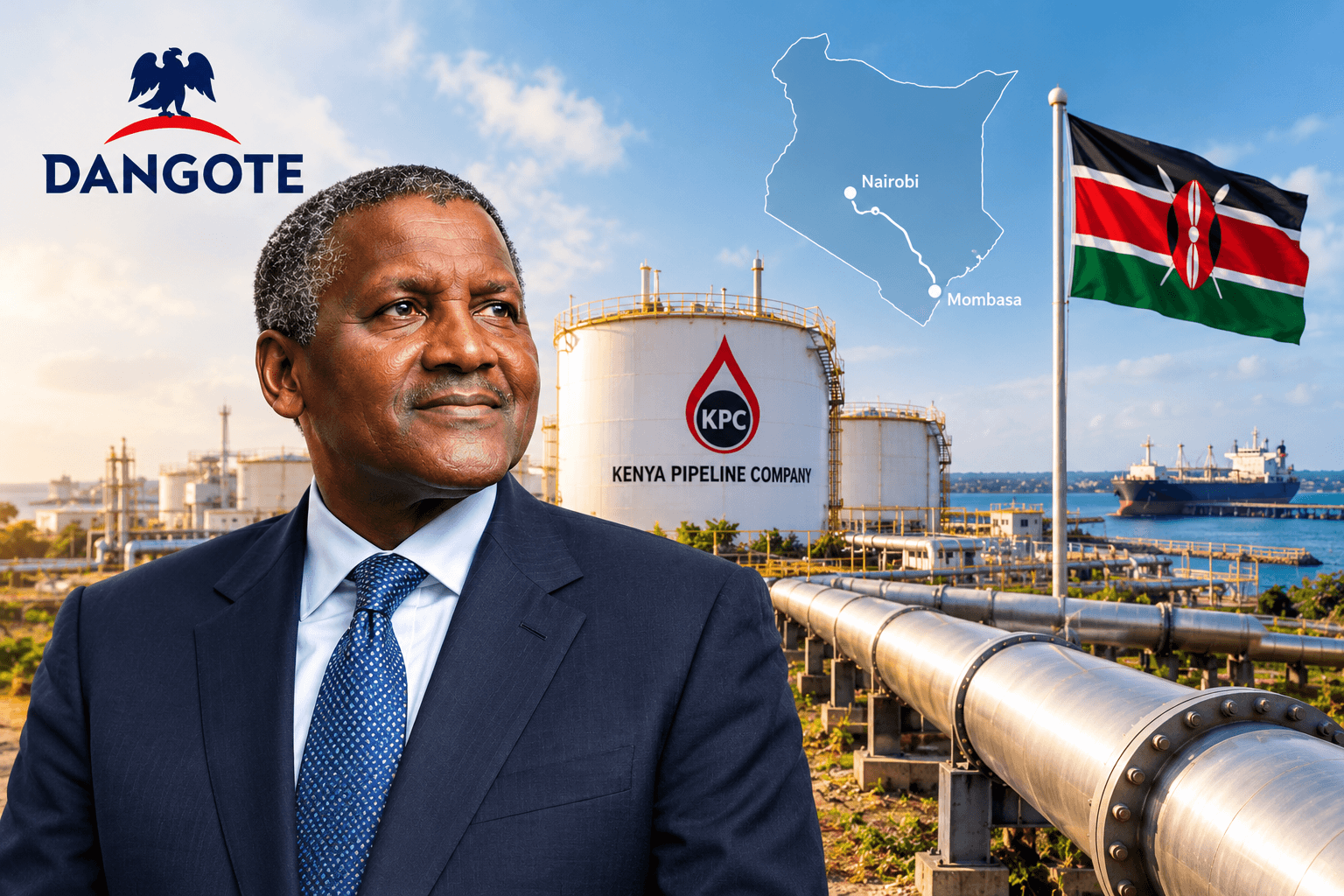
Dangote has acquired a 24.76% stake in Kenya Pipeline Company in a deal valued at approximately $327 million. Combined with plans for a major refinery in Lamu and a reported $1.5 billion pipeline expansion investment, the acquisition signals a wider push into Africa’s petroleum distribution infrastructure.

Source
Mozambique's $250 Million Gas Plan Looks to Secure Southern Africa's Energy Future
Proposition

Mozambique's $250 Million Gas Plan Looks to Secure Southern Africa's Energy Future

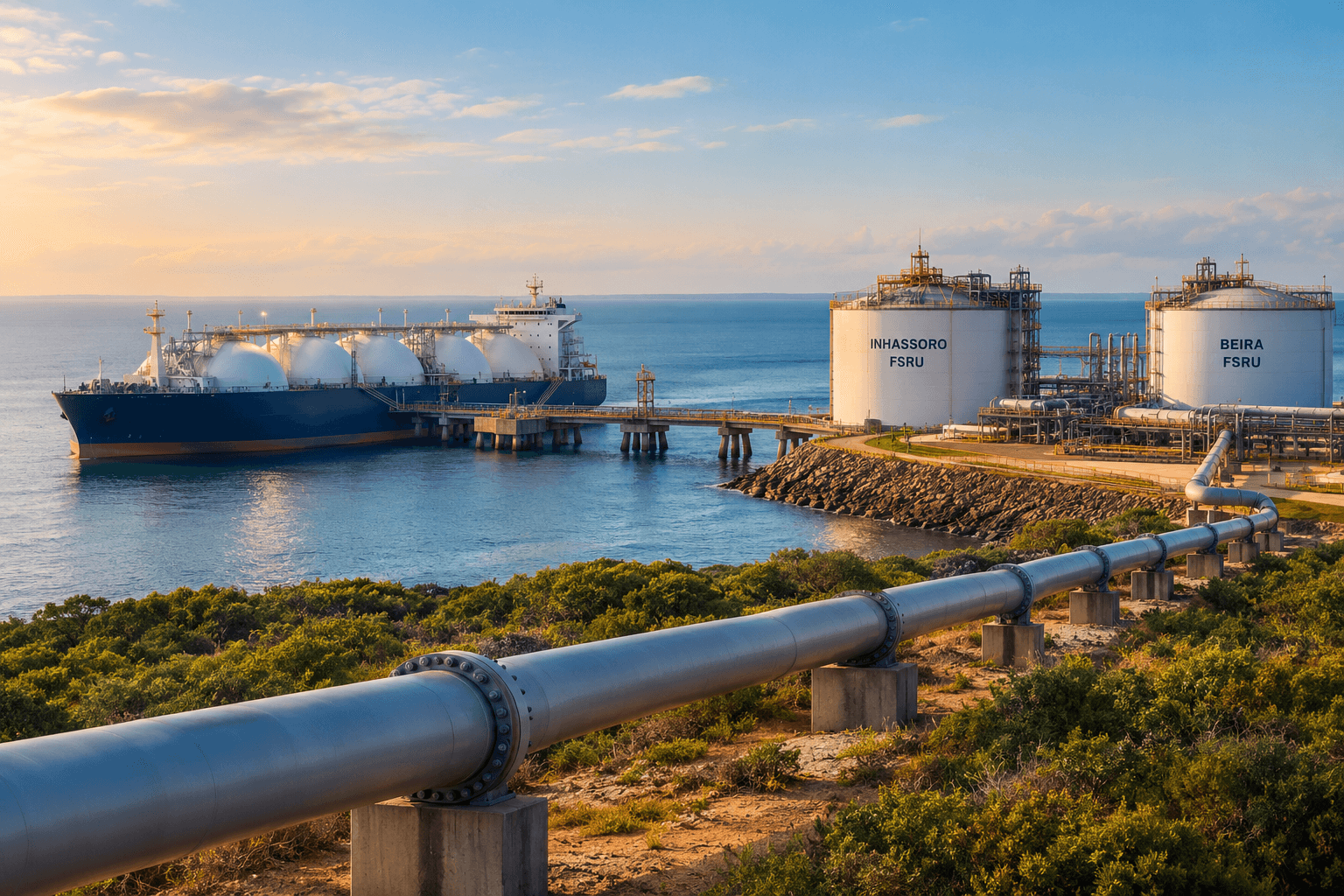
Mozambique's state-owned hydrocarbons company, ENH, is seeking investment from South Africa's Sasol and pipeline operator ROMPCO for a proposed $250 million gas infrastructure project. Featuring floating storage and regasification facilities at Beira and Inhassoro, alongside a 140-kilometre pipeline connection, the project aims to strengthen regional gas supplies by 2030 or 2031.

Source
Kinder Morgan Commits $4.7 Billion to Two Major US Gas Pipeline Expansions
Investment

Kinder Morgan Commits $4.7 Billion to Two Major US Gas Pipeline Expansions

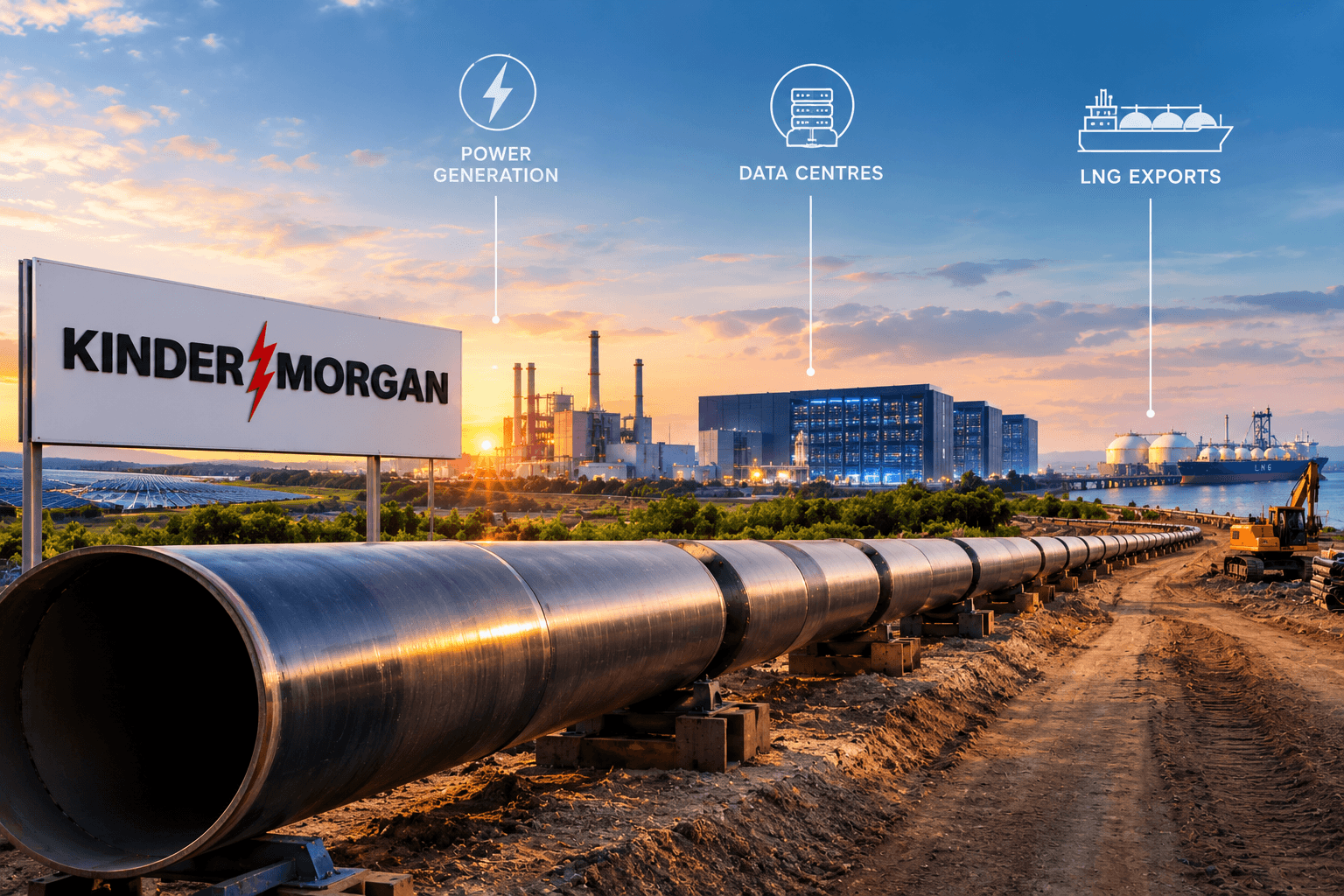
Kinder Morgan has approved $4.7 billion for two US natural gas pipeline projects designed to serve growing demand from power generation, data centres and LNG exporters. The Southeast Connector and Permian Link are expected to add nearly 904 miles of pipeline infrastructure, with operations targeted to begin in 2030.

Source

Editor's Analysis

“The value of energy infrastructure increasingly lies in its ability to connect supply with the demand that needs it.”

Infrastructure Is Becoming a Strategy, Not Just a Route The three developments highlight a shift in how pipeline infrastructure is being positioned within the energy industry. Rather than serving simply as transportation systems, pipelines are increasingly central to decisions about market access, supply security, and long-term investment. In Southern Africa, Mozambique's proposed $250 million gas project reflects the urgency of planning for changing supply conditions. Its proposed 140-kilometre pipeline would connect floating storage and regasification facilities to the existing ROMPCO network, potentially opening another route for gas supplies to reach South Africa. The challenge is securing investment and establishing a commercially viable supply arrangement before existing onshore production declines further. In East Africa, Dangote's acquisition of a 25% stake in Kenya Pipeline Company illustrates another dimension of infrastructure strategy: ownership. Access to an established petroleum distribution network could support the company's ambitions to reach new markets beyond Nigeria, demonstrating how control of transportation and storage assets can complement investments in refining. Across the Atlantic, Kinder Morgan's $4.7 billion commitment to two natural gas pipeline projects shows how infrastructure investment is responding to emerging sources of demand. Power generation, data centres, and LNG exports are creating new requirements for gas transportation, with both projects targeting operations around 2030. Together, these stories raise an important question for the industry: as energy markets evolve, will existing infrastructure be sufficient, or will new investment and ownership arrangements determine who can reliably deliver energy to the markets that need it? For Africa in particular, the implications extend beyond building more pipelines. The challenge is to develop infrastructure that connects resources to domestic industries and regional consumers while remaining commercially sustainable.

Lucy Okeke
Founder & Executive Director, APRN

Never Miss an Issue

Subscribe Free — Every Monday

Join 2,400+ engineers, policymakers, and financiers following Africa's infrastructure story.

Published every Monday. No spam. Unsubscribe at any time.