APRN Intelligence Briefing
Vol. 2, Issue 005Sent to 4 subscribers

APRN Intelligence for October 11th to October 17th

Hey there, Energy People! 👋🏽 This week, pipeline infrastructure takes centre stage in four different ways: a safety incident in Nigeria, Saudi Arabia’s plans to strengthen its oil export routes, Senegal’s search for funding to expand its gas network, and Canada’s investment in new transmission capacity. Let’s get into it!

Sunday, 18 October 20264 Stories

This Issue

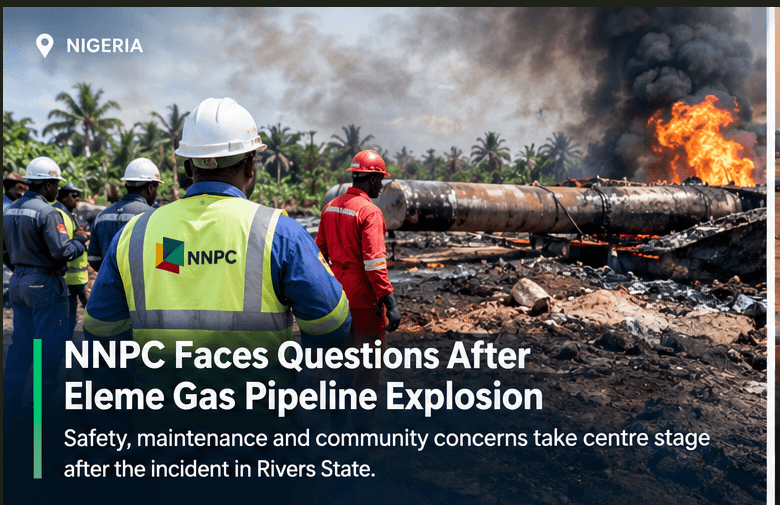
NNPC Faces Questions After Eleme Gas Pipeline Explosion Injures Residents
NNPC

NNPC Faces Questions After Eleme Gas Pipeline Explosion Injures Residents

An explosion on an NNPC Gas Infrastructure Company pipeline in Aleto, Rivers State, reportedly injured about 20 people and damaged homes and businesses. As NNPC isolates the affected section and authorities investigate, allegations of an earlier leak have placed pipeline maintenance, regulatory oversight and community safety under scrutiny.

Source

Senegal Seeks €530 Million to Expand National Gas Pipeline Network
Upstream

Senegal Seeks €530 Million to Expand National Gas Pipeline Network

Senegal’s state-owned pipeline operator is seeking €530 million to build more than 300 kilometres of additional gas pipelines, connecting offshore gas resources with power plants and industrial users. With construction targeted for 2027 and commissioning planned for 2029, financing will be critical to expanding the country’s domestic gas network.

Source
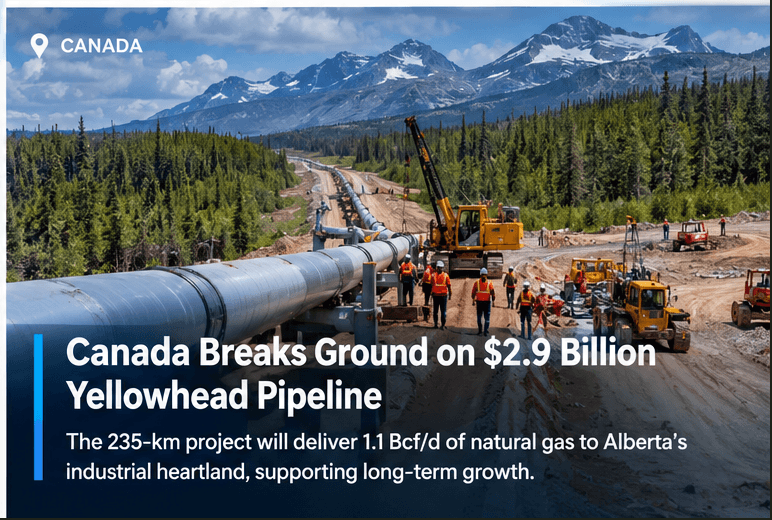
Canada Breaks Ground on $2.9 Billion Yellowhead Gas Pipeline to Expand Alberta’s Energy Capacity
Upstream

Canada Breaks Ground on $2.9 Billion Yellowhead Gas Pipeline to Expand Alberta’s Energy Capacity

Canadian Utilities has broken ground on the C$2.9 billion Yellowhead Pipeline in Alberta. The 235-kilometre project is designed to transport approximately 1.1 billion cubic feet of natural gas daily to the province’s industrial heartland, with service targeted for late 2027.

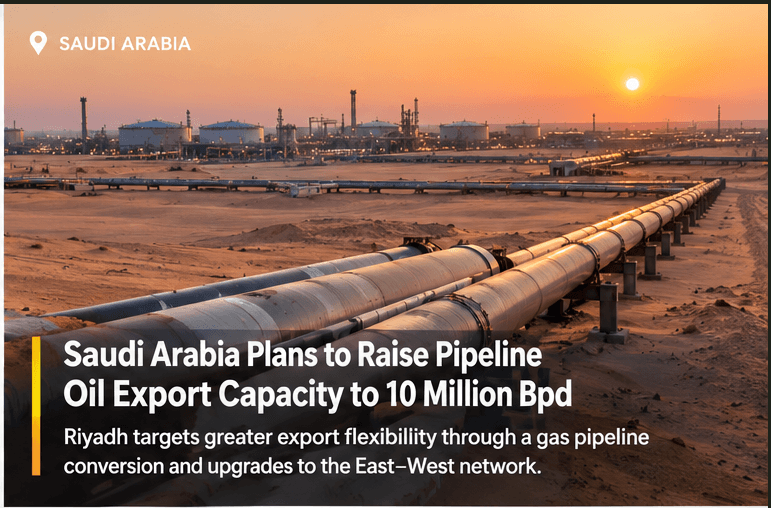
Saudi Arabia Targets 10 Million Bpd in Pipeline Oil Export Capacity as Energy Security Takes Centre Stage
Capacity

Saudi Arabia Targets 10 Million Bpd in Pipeline Oil Export Capacity as Energy Security Takes Centre Stage

Saudi Arabia plans to raise its pipeline oil-export capacity to approximately 10 million barrels per day by temporarily converting a domestic gas pipeline and upgrading its East–West crude network. The expansion aims to strengthen export flexibility and reduce dependence on vulnerable maritime routes.

Source

Editor's Analysis

“The value of a pipeline depends not simply on how much it can carry, but on how safely and reliably it connects energy resources to the people and industries that need them.”

This week’s stories show that pipeline development is about more than capacity and kilometres laid. In Nigeria, the Eleme explosion is a reminder that infrastructure must be maintained safely and that community concerns require serious attention. In Saudi Arabia, pipeline flexibility is being treated as a strategic safeguard against disruption to international oil routes. Senegal’s plans highlight the challenge of financing the networks needed to turn offshore gas production into domestic energy supply, while Canada’s Yellowhead project demonstrates how transmission capacity can underpin wider industrial expansion. The common lesson is that the value of a pipeline depends on what it reliably connects and how safely it operates. Investment and construction matter, but so do maintenance, credible regulatory oversight, available supply and customers able to use the delivered energy. For African markets in particular, the opportunity lies not simply in expanding pipeline networks, but in ensuring that those networks translate energy resources into dependable power, productive industry and economic value.

Lucy Okeke
Founder & Executive Director, APRN

Never Miss an Issue

Subscribe Free — Every Monday

Join 2,400+ engineers, policymakers, and financiers following Africa's infrastructure story.

Published every Monday. No spam. Unsubscribe at any time.