
APRN Intelligence Briefing
Vol. 2, Issue 010Sent to 7 subscribers

APRN Intelligence for November 15th to November 21st

Hey there! Africa's pipeline industry is making moves, with major developments across the continent pointing to a growing push for energy security and regional connectivity. From Nigeria's ambitious gas production targets to Vitol's new Tanzania–Zambia pipeline project, this week's updates highlight how investment in pipeline infrastructure is shaping Africa's energy future. Let's get into it!

Monday, 23 November 20263 Stories

This Issue

NNPC achieves 100% Pipeline Availability for the First Time in Two Decades
NNPC

NNPC achieves 100% Pipeline Availability for the First Time in Two Decades

Nigeria has recorded 100% availability across its major oil and gas pipelines for the first time in 20 years. Announced at the 2026 Nigeria International Pipeline Technology and Security Conference in Abuja, the milestone comes alongside progress on major gas infrastructure projects, including the AKK and OB3 pipelines, and renewed calls for private-sector investment in Nigeria's midstream sector.

Source
NNPC Targets 12 Bscf/d Gas Production by 2030, Calls for Innovative Pipeline Financing
Finance

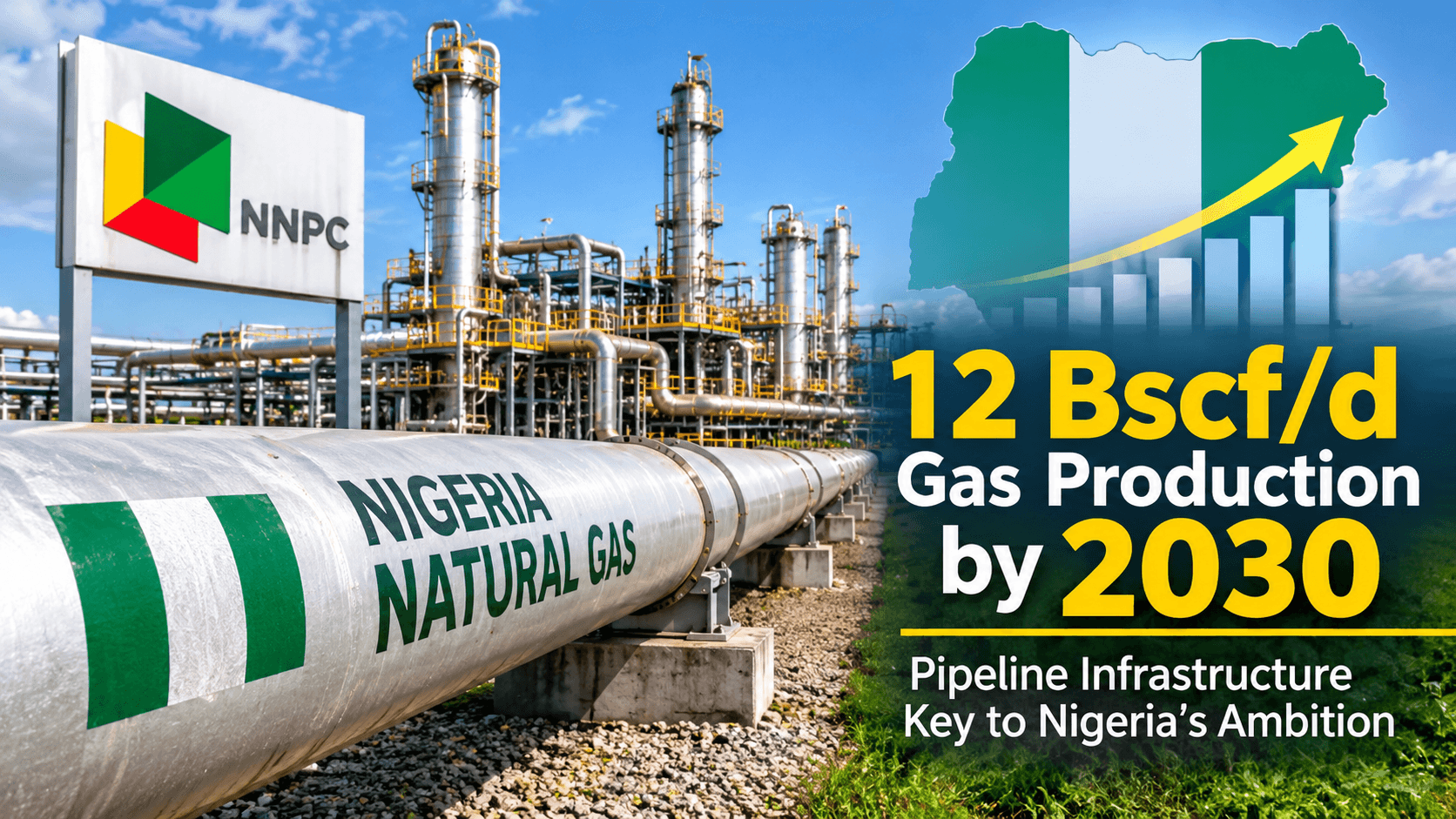
NNPC Targets 12 Bscf/d Gas Production by 2030, Calls for Innovative Pipeline Financing

NNPC is calling for innovative financing and stronger technical partnerships to support Nigeria's ambition of producing 12 Bscf/d of natural gas by 2030, highlighting major pipeline projects including OB3, AKK and the West African Gas Pipeline.

Source
Vitol Secures Development Role in New Tanzania–Zambia Fuel Pipeline Project
Development

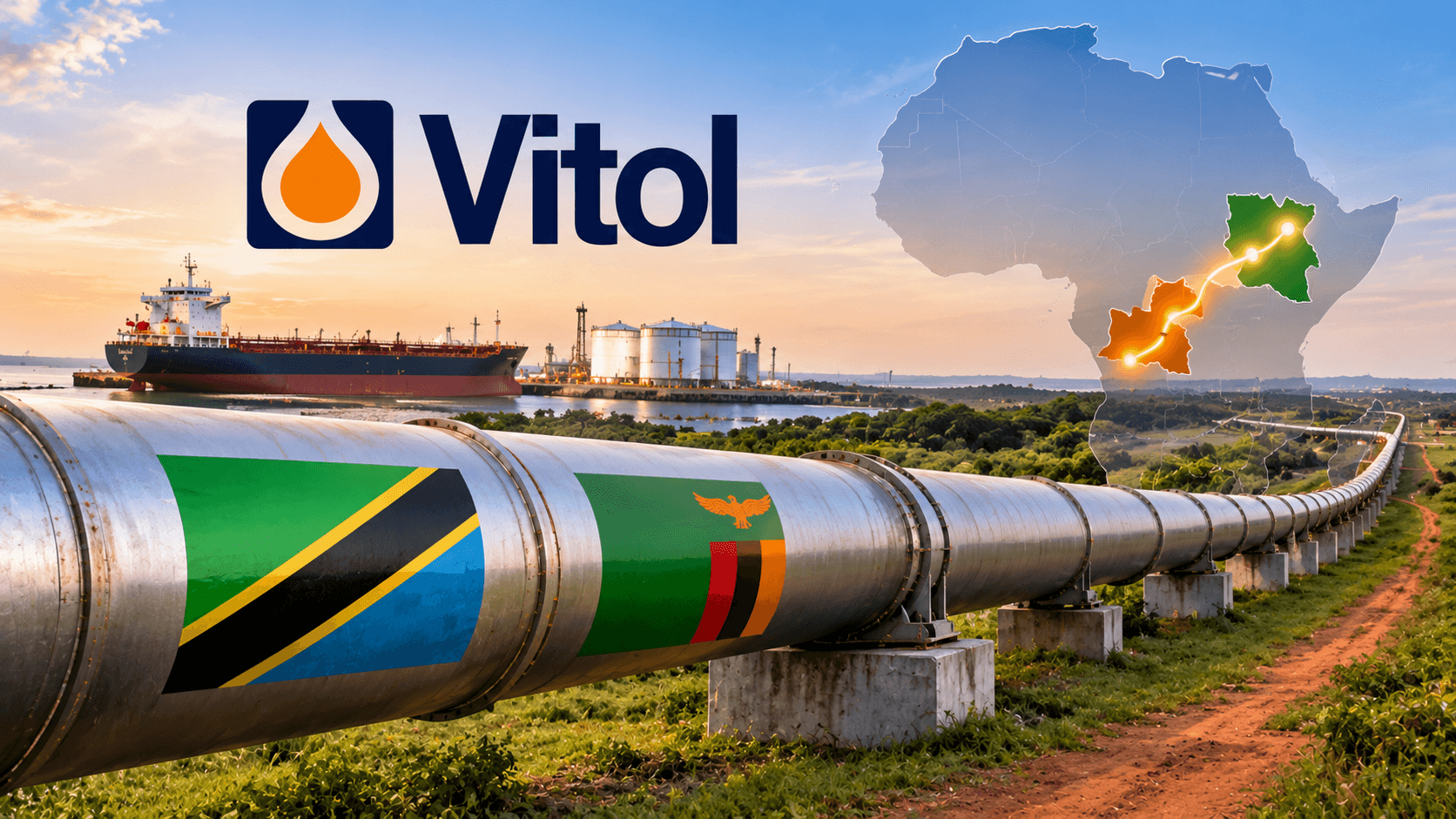
Vitol Secures Development Role in New Tanzania–Zambia Fuel Pipeline Project

Vitol Bahrain has been appointed to develop a new multiproduct petroleum pipeline connecting Dar es Salaam, Tanzania, to Ndola, Zambia, while upgrading the existing 1,710-kilometre TAZAMA pipeline to increase fuel transportation capacity and strengthen regional energy security.

Source

Editor's Analysis

“Pipeline infrastructure is increasingly becoming the link between Africa's energy ambitions and the economic value of its resources.”

These developments point to a broader shift in Africa's energy infrastructure priorities. Across different regions, countries are increasingly recognising that energy security and resource monetisation depend on more than production capacity; they require reliable transportation networks, sustainable financing and stronger regional cooperation. Nigeria's gas expansion ambitions highlight the need to close critical midstream infrastructure gaps, while the Tanzania–Zambia project demonstrates the role of private-sector investment in modernising established petroleum transportation corridors. EACOP, meanwhile, illustrates how cross-border infrastructure can connect landlocked production centres to international markets. However, the real test lies in execution. Securing financing, managing construction risks, maintaining pipeline integrity and establishing commercially viable transportation systems will determine whether these ambitious projects translate into lasting economic benefits. For Africa's energy sector, the next phase is not simply about building more pipelines. It is about building infrastructure that connects markets, attracts investment and delivers energy reliably.

Lucy Okeke
Founder & Executive Director, APRN

Never Miss an Issue

Subscribe Free — Every Monday

Join 2,400+ engineers, policymakers, and financiers following Africa's infrastructure story.

Published every Monday. No spam. Unsubscribe at any time.