APRN Intelligence Briefing
Vol. 1, Issue 005

APRN Intelligence, for July 27th to August 3rd 2026

This week: ECOWAS formalises the Nigeria-Morocco Gas Pipeline's governance structure, Algeria breaks ground on the Trans-Saharan Gas Pipeline after fifty years of delay, and a wave of coordinated security operations across five Nigerian states exposes both the scale and the insider risk behind pipeline vandalism. Plus, a new APRN research report compares EACOP's and NMGP's odds against each other.

Sunday, 26 July 20265 Stories

This Issue

ECOWAS Signs Off on the Nigeria-Morocco Gas Pipeline. The Hard Part Starts Now.
NMGP

ECOWAS Signs Off on the Nigeria-Morocco Gas Pipeline. The Hard Part Starts Now.

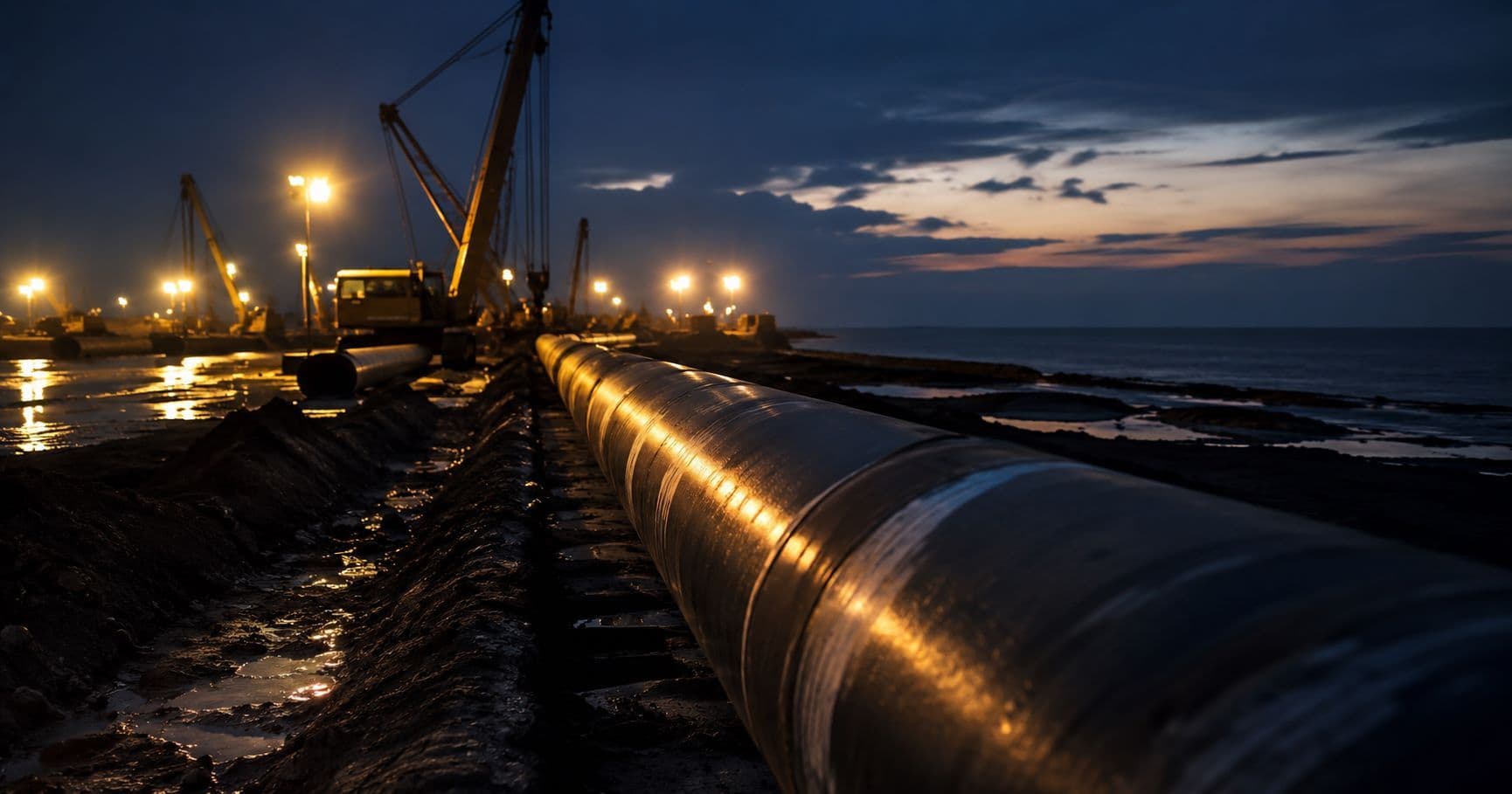
ECOWAS heads of state signed the Intergovernmental Agreement for the Nigeria-Morocco Gas Pipeline in Freetown on 19 July, establishing the governance framework, a Casablanca-based project company and an Abuja-headquartered Pipeline Higher Authority, needed to move the $25-27 billion, 6,800km project toward a Final Investment Decision. Construction is targeted for 2028, with first gas deliveries projected in 2031.

Source
NNPC Didn't Just Sign Chevron to the New Gas Network Code. It Signed Three Producers at Once.
Policy & Regulation

NNPC Didn't Just Sign Chevron to the New Gas Network Code. It Signed Three Producers at Once.

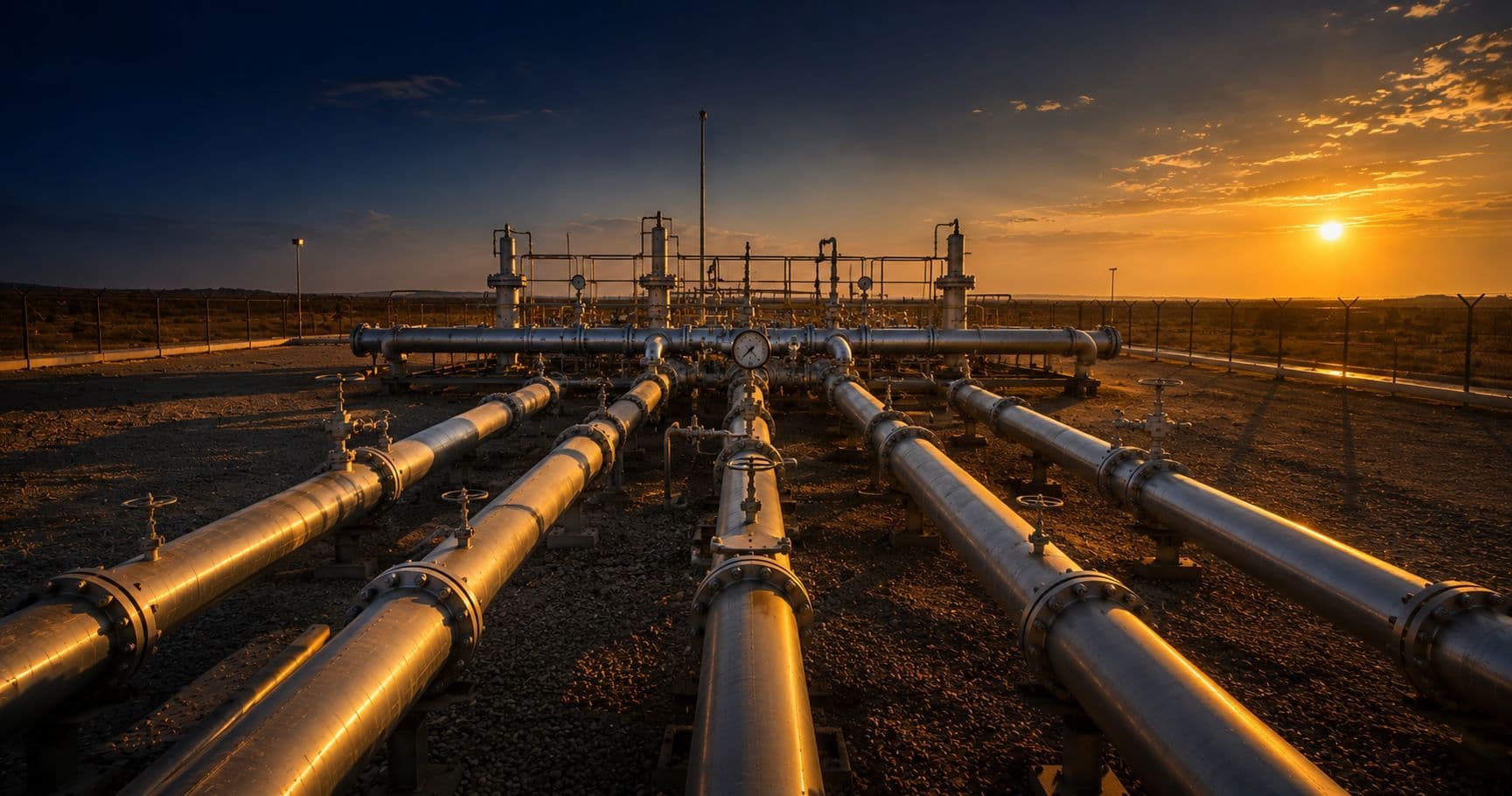
At the 2026 Nigeria Oil and Gas Energy Week in Abuja, NNPC Limited disclosed that Chevron, the ANOH Gas Processing Company, and NNPC Exploration and Production together migrated their legacy interconnection arrangements to the new Nigerian Gas Transportation Network Code, unlocking up to 800 million standard cubic feet of gas per day. Most coverage treated Chevron's agreement as a standalone story. Read together, it's the clearest evidence yet that Nigeria's standardized gas access framework is functioning as designed.

Source
Algeria Breaks Ground on the Trans-Saharan Gas Pipeline. The Route Hasn't Gotten Any Safer.
TSGP

Algeria Breaks Ground on the Trans-Saharan Gas Pipeline. The Route Hasn't Gotten Any Safer.

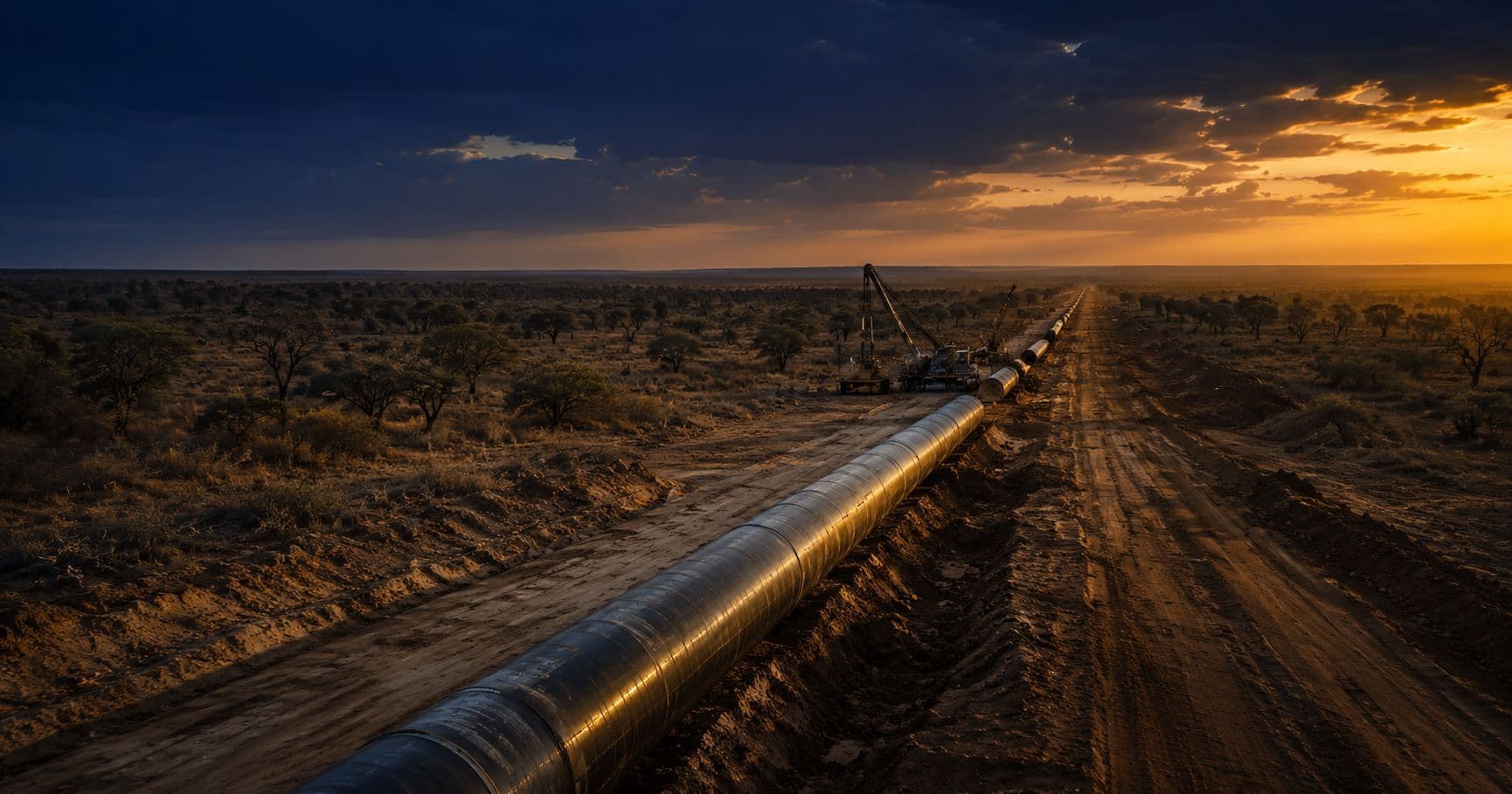
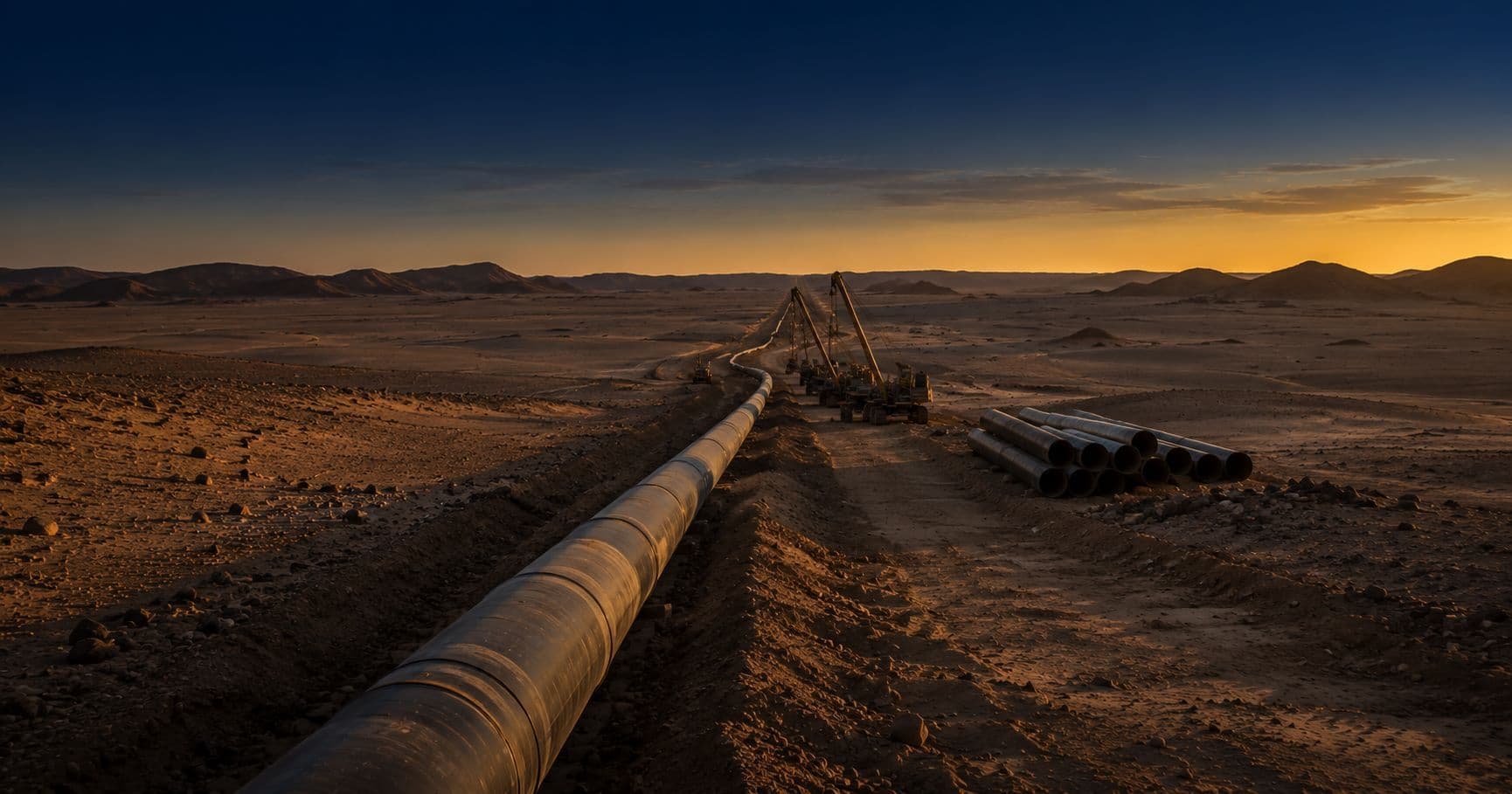
Algeria has begun physical construction on its section of the 4,128km Trans-Saharan Gas Pipeline, following a 3 June ministerial meeting in Algiers. The project would carry up to 30 billion cubic metres of Nigerian gas annually through Niger to Algeria's Mediterranean export infrastructure, positioned as an alternative supply route for Europe. First proposed in the 1970s, the pipeline has moved from memorandum to physical groundbreaking only now.

Source
Five States, Ten Days, Three Agencies: Nigeria's Pipeline Vandalism Crackdown Intensifies
Security

Five States, Ten Days, Three Agencies: Nigeria's Pipeline Vandalism Crackdown Intensifies

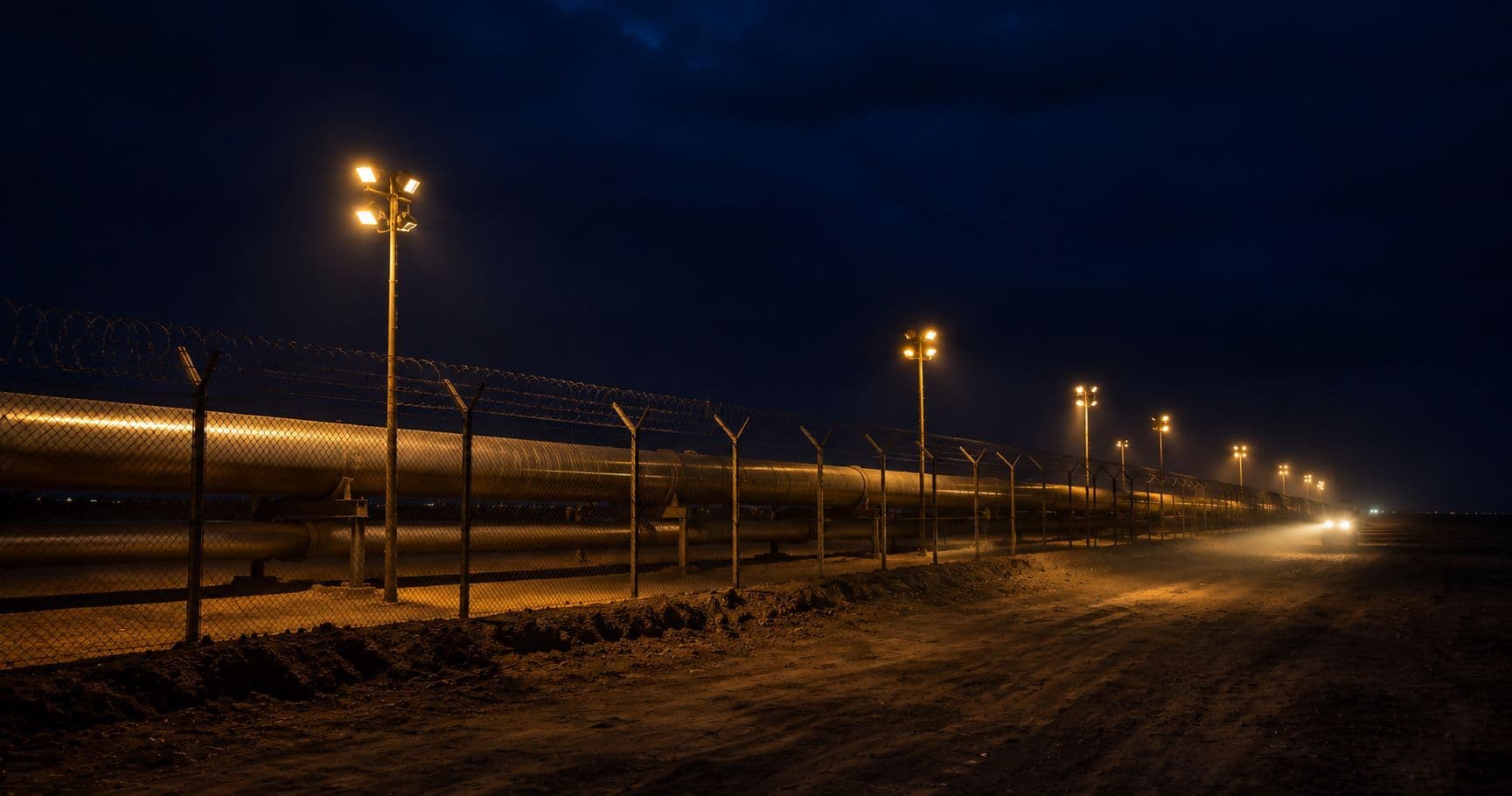
Between 9 and 18 July, Nigerian Police, the Navy, and the NSCDC independently intercepted pipeline vandalism and crude theft operations in five different states, arresting more than 20 suspects and recovering hundreds of pipe sections, weapons, and refining equipment. One arrest, in Imo State, implicated a retired police superintendent. Read together, the cluster points to a sustained national enforcement effort rather than a run of coincidental local busts.

Source
Two Pipelines, Two Governance Bets: What EACOP Can Tell Us About NMGP's Odds
Research

Two Pipelines, Two Governance Bets: What EACOP Can Tell Us About NMGP's Odds

EACOP took roughly five years from intergovernmental agreement to Final Investment Decision, and three more to close debt financing, for a two-country, 1,443km pipeline with four named shareholders. NMGP is proposing to move from this month's IGA to construction in two years, and to first gas in five, for a thirteen-country, 6,800km pipeline with no financing structure yet in place. The comparison is the clearest test available of whether NMGP's timeline is realistic or aspirational.

Source

Editor's Analysis

African pipeline infrastructure is accumulating political commitments faster than it is resolving the financing, security, and institutional readiness needed to deliver them.

This week's cluster of pipeline news, from Freetown to Algiers to the Niger Delta, tells one consistent story: African pipeline infrastructure is accumulating political commitments faster than it is resolving the financing, security, and institutional readiness needed to deliver them. NMGP's IGA signing and the Trans-Saharan Gas Pipeline's Algerian groundbreaking are both genuine milestones, and both arrive with unresolved financing, NMGP with no structure at all yet, TSGP with a €12–18 billion range still unsettled. Meanwhile, Nigeria's own domestic network spent the same two weeks fending off theft and vandalism across five states, including one arrest implicating a retired police official, a reminder that even completed infrastructure needs sustained institutional vigilance. Chevron and NGIC's routine Network Entry Agreement, by contrast, is what actual execution looks like: unglamorous, procedural, and working. That gap, political signing versus operational delivery, is what APRN will be watching as these projects move from announcement toward revenue.

Lucy Okeke
Founder & Executive Director, APRN

Never Miss an Issue

Subscribe Free — Every Monday

Join 2,400+ engineers, policymakers, and financiers following Africa's infrastructure story.

Published every Monday. No spam. Unsubscribe at any time.