APRN Intelligence Briefing
Vol. 1, Issue 006

APRN Intelligence for July 27th to August 3rd.

This week’s edition explores the forces shaping the future of pipeline infrastructure, from strategic energy partnerships and cross-border projects to legal challenges and technological innovation.

Sunday, 2 August 20264 Stories

This Issue

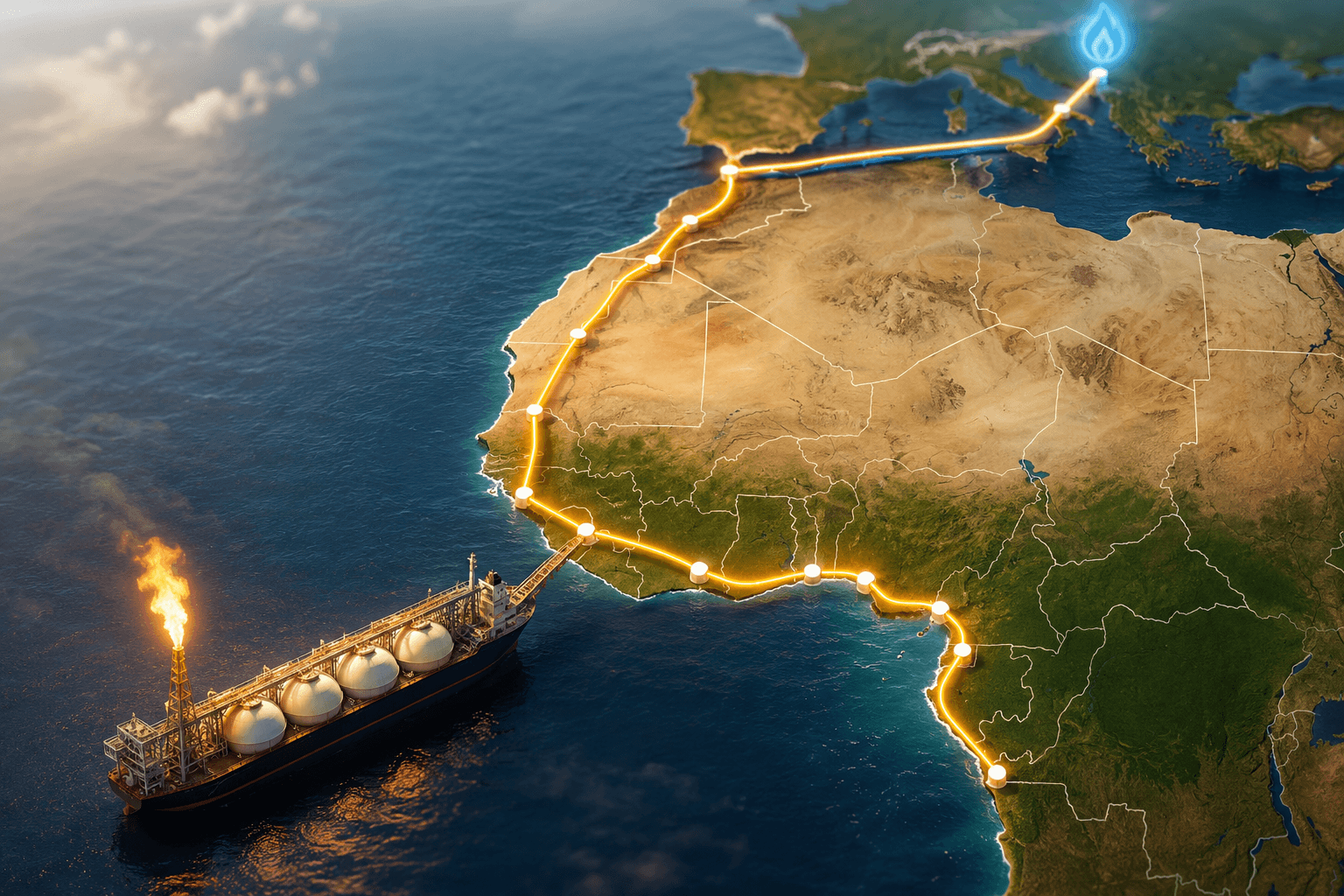
Nigeria–Morocco Gas Pipeline Gains Momentum as Morocco Seeks World Bank, U.S. EXIM Financing
EACOP

Nigeria–Morocco Gas Pipeline Gains Momentum as Morocco Seeks World Bank, U.S. EXIM Financing

Morocco has opened financing discussions with the World Bank and the U.S. Export-Import Bank to support the proposed US$26 billion Nigeria–Morocco Gas Pipeline. The move marks a significant milestone for the landmark energy project, bringing it closer to securing the financial backing needed to connect West African gas reserves with regional and European markets.

Source

Landmark UK Lawsuit Puts East African Crude Oil Pipeline Under Fresh Legal Scrutiny
EACOP

Landmark UK Lawsuit Puts East African Crude Oil Pipeline Under Fresh Legal Scrutiny

A landmark UK court case is testing whether multinational pipeline operators can be held accountable abroad for alleged breaches of domestic environmental and land laws.

Source
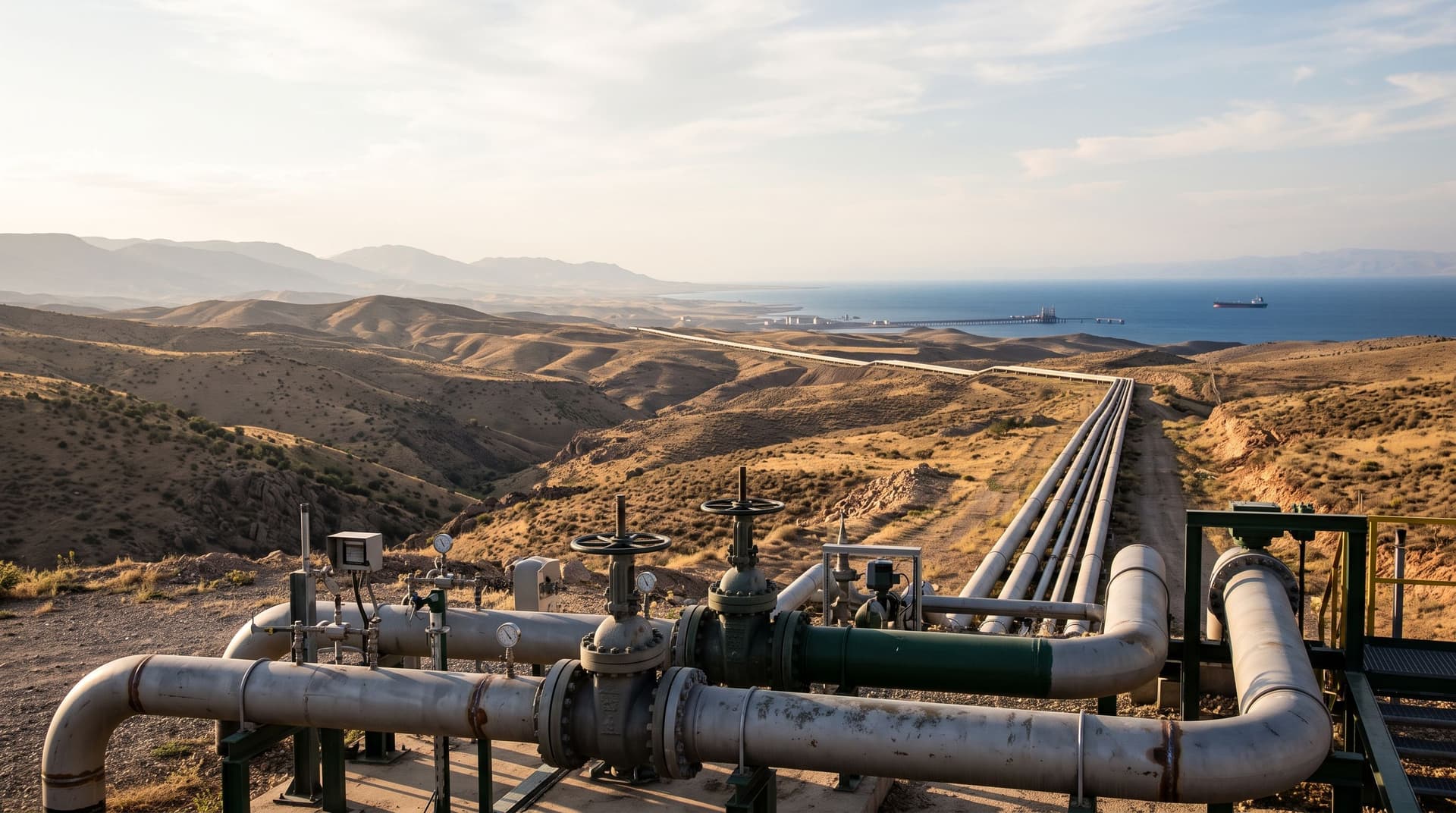
Iraq and Turkey Extend Oil Pipeline Agreement as Both Nations Seek Long-Term Energy Deal
Upstream

Iraq and Turkey Extend Oil Pipeline Agreement as Both Nations Seek Long-Term Energy Deal

The one-year extension keeps Iraq’s northern crude export route operational while Baghdad and Ankara continue negotiations on the future of one of the region’s most important oil corridors.

Source
ROSEN Unveils Enhanced Pipeline Inspection Service to Improve Early Corrosion Detection
Maintenance

ROSEN Unveils Enhanced Pipeline Inspection Service to Improve Early Corrosion Detection

New analytical capabilities allow pipeline operators to detect and classify subtle corrosion defects with greater precision, enhancing asset integrity without changing inspection operations.

Source

Editor's Analysis

The future of pipeline infrastructure will not only be measured by expansion, but by how effectively the industry balances energy security, environmental responsibility, and technological innovation.

Pipeline infrastructure is increasingly becoming more than just a means of transporting energy—it is now a reflection of geopolitical strategy, economic ambition, environmental responsibility, and technological advancement. The extension of the Iraq–Turkey oil pipeline agreement highlights the continued importance of reliable energy corridors in global markets. While the one-year extension maintains crude exports from northern Iraq, the ongoing negotiations for a broader partnership show that pipeline agreements are evolving into long-term strategic relationships between nations. Across Africa, major pipeline projects continue to attract both investment and scrutiny. The Nigeria–Morocco Gas Pipeline represents one of the continent’s most ambitious energy infrastructure initiatives, with international financing discussions signalling growing confidence in its potential to enhance regional connectivity and energy security. However, the renewed legal challenge surrounding the East African Crude Oil Pipeline demonstrates that future pipeline development must increasingly balance economic goals with environmental protection, community concerns, and regulatory accountability. At the operational level, technology is redefining how existing pipeline assets are managed. Innovations in inspection and data analytics, such as ROSEN’s enhanced corrosion detection capabilities, highlight the industry's shift toward predictive maintenance—moving from responding to failures toward preventing them. Together, these developments reveal a pipeline sector undergoing a major transformation. The future will not only be defined by how many kilometres of pipelines are built, but by how effectively the industry integrates investment, sustainability, resilience, and innovation into every stage of the pipeline lifecycle.

Lucy Okeke
Founder & Executive Director, APRN

Never Miss an Issue

Subscribe Free — Every Monday

Join 2,400+ engineers, policymakers, and financiers following Africa's infrastructure story.

Published every Monday. No spam. Unsubscribe at any time.