
APRN Intelligence Briefing
Vol. 1, Issue 009Sent to 4 subscribers

APRN Intelligence for August 16th to August 22nd.

Hey there 👋 Another week, another set of changing infrastructure for the pipeline industry. From Iraq looking west for a new route to global oil markets, to the US and Canada reconsidering a pipeline project that was once thought dead, and Australia turning to digital twins to rethink how pipelines are inspected, this week’s stories show three different sides of the infrastructure equation.

Sunday, 23 August 20263 Stories

This Issue

Keystone XL Is Back in Trump’s Conversation — But the Pipeline Has Changed
Policy

Keystone XL Is Back in Trump’s Conversation — But the Pipeline Has Changed

Trump's renewed calls to revive Keystone XL have put the controversial pipeline back in the spotlight, but the industry is pursuing a redesigned route that could reshape Canada's path to US markets.
Iraq’s $15bn Detour: A New Oil Route Takes Aim at Hormuz
Hormuz

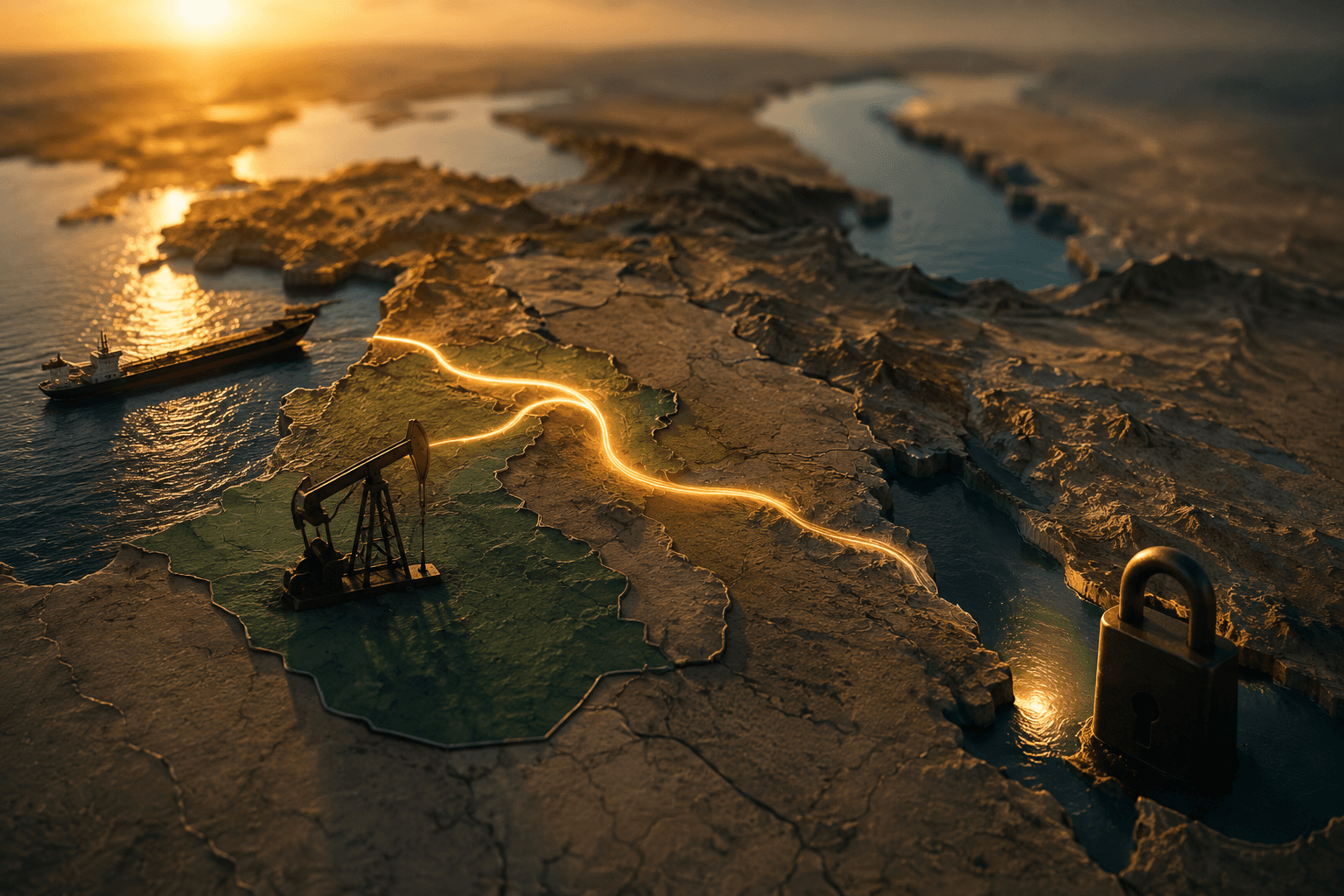
Iraq’s $15bn Detour: A New Oil Route Takes Aim at Hormuz

Iraq is planning a new $15 billion crude pipeline through Syria to the Mediterranean, seeking a second path to global markets as disruptions expose the risks of relying heavily on the Strait of Hormuz.

Origin Energy Turns to Digital Twins to Rethink 750 km of Pipeline Inspection
Pipeline Technology

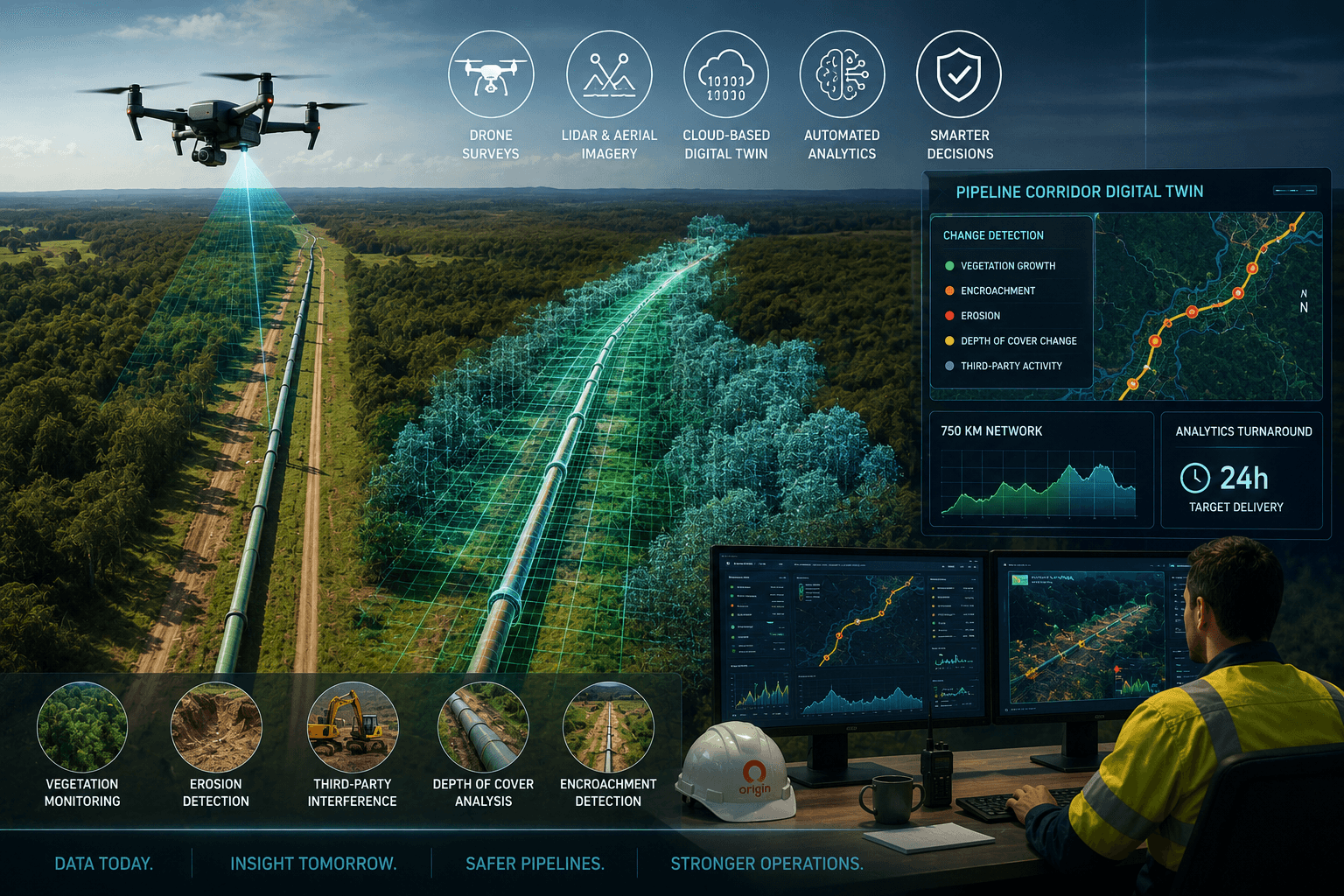
Origin Energy Turns to Digital Twins to Rethink 750 km of Pipeline Inspection

Origin Energy is deploying drones, LiDAR and digital twin technology across 750 km of Queensland gas pipelines, moving inspection toward automated, data-driven monitoring.

Editor's Analysis

“Three continents. Three very different pipeline bets. One question: what makes an energy route worth building?”

Three stories. Three continents. One emerging lesson. The pipeline industry is increasingly being asked to solve problems that have little to do with simply getting energy from one place to another. In Iraq, the pipeline is becoming an instrument of energy security, giving a major oil producer an alternative to a vulnerable maritime chokepoint. In North America, Keystone shows how politics and changing commercial realities can reshape infrastructure long after a project has been announced. And in Australia, Origin Energy demonstrates how digital technology is changing the way existing infrastructure is monitored and maintained. Together, they point to a broader shift in the industry. The pipelines of the future will need to be more than high-capacity. They will need to be strategically positioned, commercially viable, resilient to disruption and increasingly intelligent. That may be the most interesting part of where the industry is heading: the next generation of pipeline infrastructure will not simply be judged by how much energy it can carry, but by how well it can adapt when the world around it changes.

Lucy Okeke
Founder & Executive Director, APRN

Never Miss an Issue

Subscribe Free — Every Monday

Join 2,400+ engineers, policymakers, and financiers following Africa's infrastructure story.

Published every Monday. No spam. Unsubscribe at any time.